

A wet suppressor is a suppressor with a small amount of liquid or gel put inside it before you shoot. The liquid cools the gases inside the can, and the shot can get quieter. One maker that publishes numbers puts the gain at about 3 to 10 decibels over shooting dry. The gain is real, but it is short-lived and a little messy.
This post explains how wet and dry use differ, what you would put in a can, and when the extra work is worth it. It is general information. Always follow the instructions that came with your own suppressor.
Wet vs dry suppressor: what the words mean
“Dry” means you shoot the suppressor with nothing added inside it. This is the plain, default way to use a suppressor. Angstadt Arms, a suppressor maker, says dry use suits longer sessions because it gives “consistent performance without the need for frequent reapplication of liquid.”
“Wet” means you add a liquid or gel inside the baffles before you fire. You do not dunk the can. A small amount is enough. Angstadt describes it as adding liquid “directly into the suppressor’s baffles” before you fire.
That is the whole idea. Nothing about the suppressor itself changes. You are adding a short-term helper inside it.
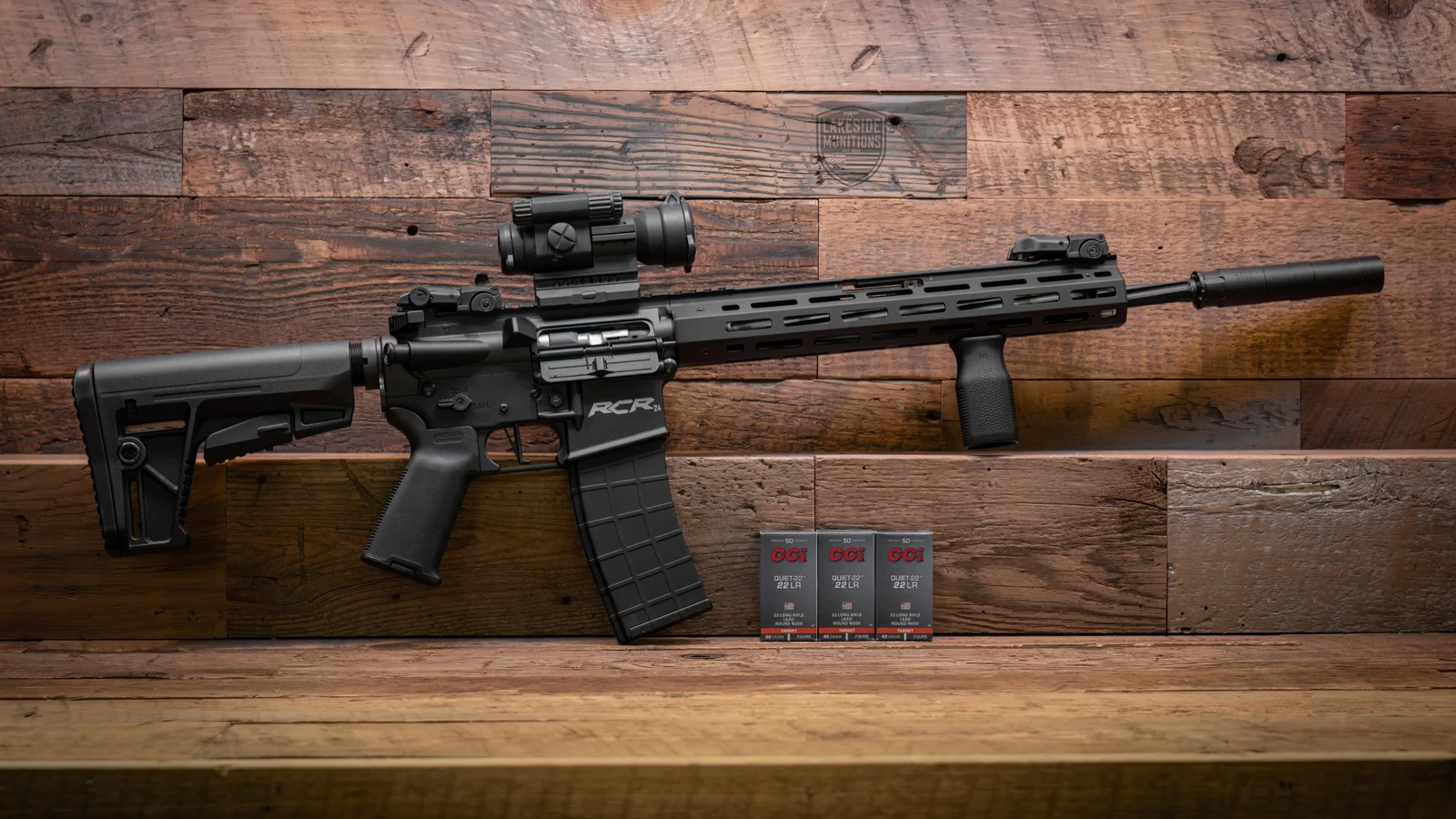
How much quieter does wet make it?
Published numbers are thin, and they come from different makers and dealers, so here is what each says.
| Source | What it says about shooting wet |
|---|---|
| Angstadt Arms (a maker, for its Vanquish suppressor) | Roughly 3 to 10 dB less than shooting dry, fading after about 20 shots |
| Silencer Shop (a dealer) | Can help remove first round pop and make the next few shots quieter, with no decibel figure given |
Angstadt’s number is for its own can, so another suppressor may differ. Silencer Shop gives no figure at all, and the two do not agree on how long the effect lasts. Silencer Shop says the water typically evaporates within five shots. Treat any single number as a ballpark, not a promise.
Whether a few decibels matters depends on where you start. Keep it in proportion, too. A peer-reviewed review of hearing loss from recreational shooting, published in PubMed Central, says a suppressor does not always bring the peak below 120 to 140 dB. Wet use can help, but it does not replace hearing protection at the range.
What goes inside a wet suppressor
People use three things.
Water. It is free and easy to find. Silencer Shop suggests about a teaspoon poured into the can before you shoot. It says the water typically evaporates within five shots.
Wire-pulling gel. Silencer Shop says water-soluble lubricants like wire pulling gel work, as long as the liquid is non-flammable.
A coolant made for suppressors. Angstadt lists water, wire-pulling gel and specialized suppressor coolant as its options. It suggests a low-temperature coolant in the cold, because liquids can freeze.
Two rules show up on both pages. Do not use anything flammable. Angstadt says to avoid flammable liquids, and Silencer Shop says any non-flammable liquid works. Do not use petroleum-based lubricants either. Silencer Shop says they leave hard-to-clean residue and can cause a baffle strike.
What it costs you
A wet suppressor is not free sound. You pay for it in a few small ways.
- It does not last. Silencer Shop says water typically evaporates within five shots. Angstadt says the benefit fades after about 20 shots as the liquid evaporates. Either way, you would refill often on a long range trip.
- Water in the wrong place. Silencer Shop warns that getting water down the barrel can cause dangerous malfunctions. Be careful when you add it.
- Mess. Silencer Shop says petroleum-based lubricants leave residue that is hard to clean.
- More cleaning. Angstadt says wet use can add carbon buildup and tells owners to clean the suppressor after every wet session.
- Easy to overdo. Angstadt suggests about 5 to 10 mL, which is 1 to 2 teaspoons, added directly into the baffles. Silencer Shop suggests about a teaspoon of water. Check your own can’s manual for its limit.
Heat is the other side of the trade. Angstadt says the liquid cools the gases inside the suppressor, slowing heat buildup during rapid fire. If you like a longer, steady string of shots, that matters.
When wet use makes sense, and when it does not
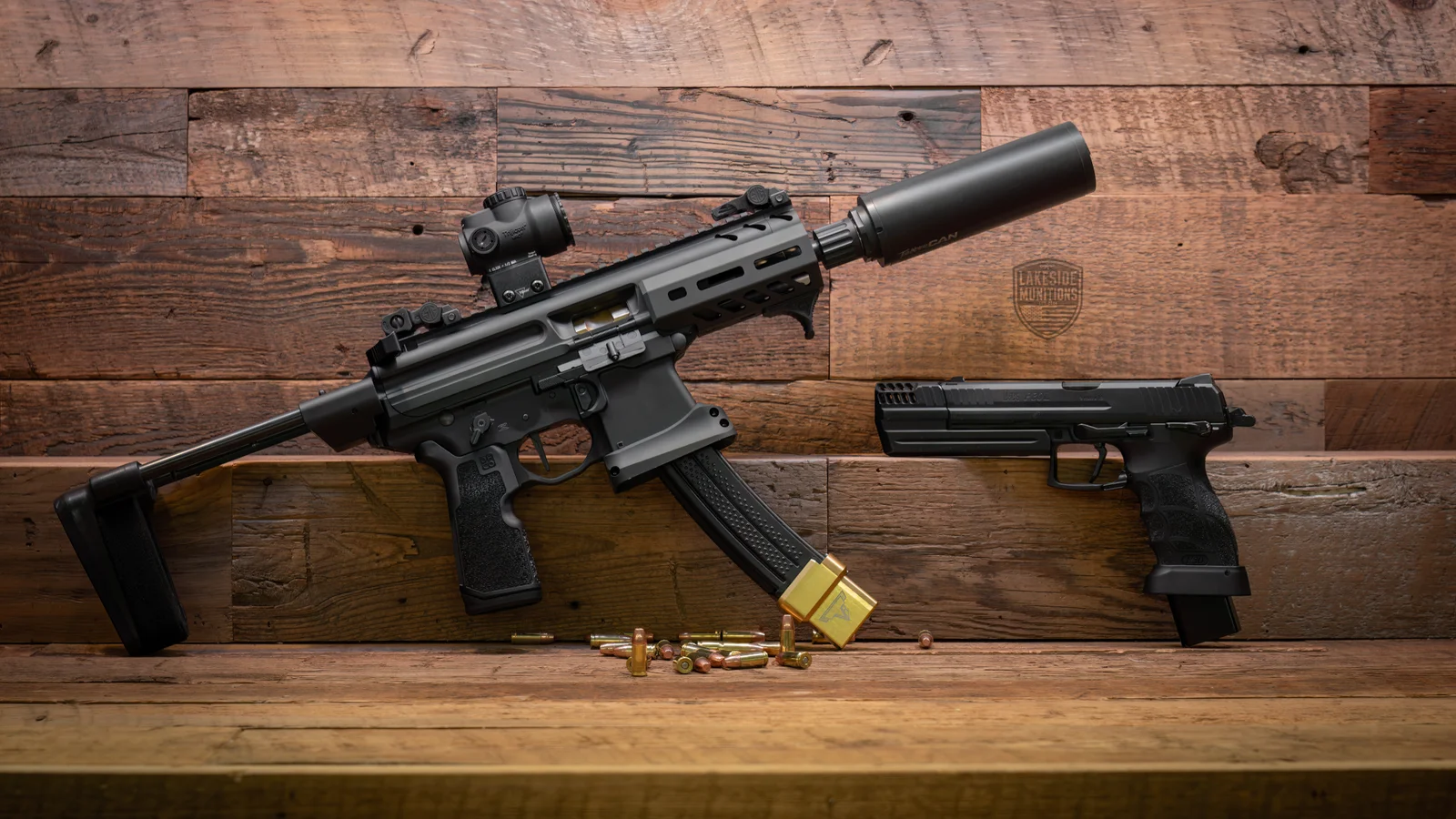
Wet use is a good fit when you want the quietest shot you can get from a can you already own. A short range session is the easy example. Silencer Shop recommends water mainly for rimfire and pistol suppressors, and says it is not advised for rifle suppressors in most cases.
It is a poor fit in a few cases:
- A day of steady shooting. You will be refilling constantly, and the gain is gone after a few shots or a couple dozen, depending on who you ask.
- Very cold weather. Water can freeze, so you would need a low-temperature coolant, as Angstadt notes.
- When you do not want to clean up. Wet use adds a cleaning step every time.
- When your can’s manual says not to. Some suppressors are not meant to be run wet. The maker’s instructions win over any blog post, this one included.
For most new owners, the simple answer is to shoot dry and learn your suppressor first. If you want a few extra decibels later, try a small amount of water and see if the trade is worth it to you.
Wet use does not change the paperwork
Buying a suppressor works the same whether you ever shoot it wet or not. The paperwork is an ATF Form 4, and in Georgia that process still applies as of November 2026. We cover the full steps on our suppressor page. Our counter’s approval times right now are 2 to 3 days for an individual filing, up to 21 days, and up to a month through a trust.
First-shot sound is a separate question from wet or dry. If you are curious about why the first round out of a clean suppressor can be louder, read our post on first round pop. If you want to know the real sound level of a suppressed shot, see how loud a suppressed gun is. And when a suppressor has been shot wet, give it a good cleaning afterward. Our suppressor cleaning post covers the basics.
Ask us at the counter
If you are thinking about a first suppressor and want to talk through wet and dry, stop by our Cumming shop and handle a few. We can walk you through the process and tell you where the wait stands before you pay. You can also send a question through our contact page, or read how it all works on our suppressor page.

