

Good self defense ammo does four things. It reaches deep enough to matter, it expands in a controlled way, it holds up against what is in the way, and it runs reliably in your own gun. The FBI’s ammunition test is the best-known way to measure the first three, so it is a good place to start.
This post is about how to read the numbers and the labels. It does not pick a brand or a model. Ammo choice is personal, and what works in one handgun may not run well in another. Nothing here is legal advice.
Why the FBI protocol matters to a regular buyer
Ammunition makers test against the FBI protocol, and many print the results in their marketing. If you know what the test measures, you can see what a claim does and does not tell you.
The FBI’s own Law Enforcement Bulletin laid out the thinking in 1989, in an article on the Bureau’s selection of a new pistol cartridge (The FBI’s 10mm Pistol, FBI Law Enforcement Bulletin, November 1989). It said that penetration and wound size govern handgun wounding effectiveness, and that penetration is the more critical element. On that basis, its performance criteria listed 12 inches as the minimum acceptable penetration and 18 inches as the maximum desirable, measured in 10 percent ballistic gelatin.
The test has been revised since then. Ammunition maker Hornady describes today’s version, which uses 10 percent ordnance gelatin and six test events (Hornady, FBI Test Protocol). Speer, another maker, says that under the protocol, results under 12 inches are heavily penalized and results over 18 inches are penalized too (Speer, How FBI Protocol Testing Changed Ammunition).
What to look for in self defense ammo
Penetration: deep enough, but not too deep
Gelatin is a stand-in for soft tissue. A bullet that stops short may not reach what it needs to reach. The 1989 FBI article put it this way: underpenetration of a handgun bullet presents a far greater risk than a bullet that goes too far. The article also said that for practical purposes, penetration beyond 18 inches would most likely carry a bullet outside the body.
That is where the usual “12 to 18 inches” figure comes from. The 1989 article was clear that these were test criteria set for the Bureau’s own use, not a promise about any one shot. When a box or a maker’s website lists a gelatin number, check whether it falls in that range, and how many shots the maker averaged. Hornady says each result in its protocol averages five fired shots.
Expansion: a controlled opening, not just a hollow tip
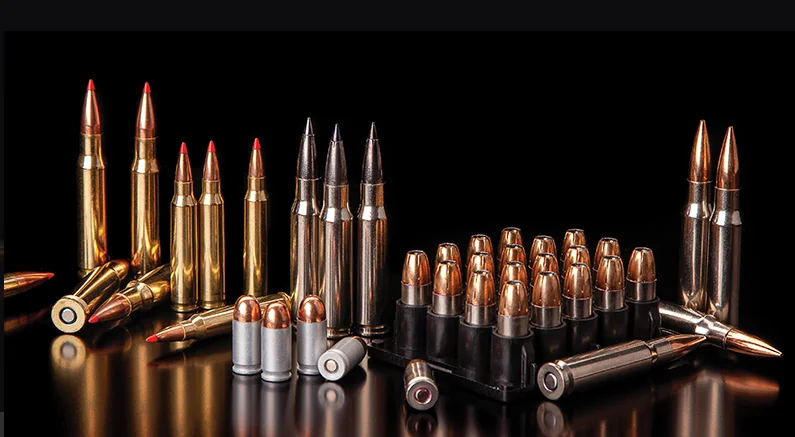
Hollow point bullets are made to open up after impact. The protocol measures expansion and retained weight, along with depth, so a good load has to open and stay in one piece. The Hornady page notes that the lab records the depth to the nearest quarter inch, the expansion, and the weight the bullet keeps.
For a plain look at how expanding and non-expanding bullets differ, see our post on FMJ vs hollow point.
Barrier results: clothing, walls, doors and glass
Real events do not happen in bare gelatin, so the protocol adds barriers. Hornady lists these test events:
- Bare gelatin, with no barrier.
- Heavy clothing, four layers of cotton, fleece and denim.
- Steel, two pieces of 20-gauge galvanized sheet metal, which stands in for the weaker part of a car door.
- Wallboard, two pieces of half-inch gypsum board, which stands in for an interior wall.
- Plywood, one piece of three-quarter-inch fir plywood.
- Automobile glass, laminated safety glass set at an angle.
Shots are fired from 10 feet. A load that expands well in bare gel but plugs up with fabric, or fails after wallboard, will show it in these results.
How to read a maker’s claim
A box or a web page that mentions the FBI protocol is saying the load was run through those test events. Four questions help you read it:
- Which test events? Bare gelatin is one event. The barrier events add clothing, wall, door and glass conditions.
- What depth, and how many shots? Look for a number in the 12 to 18 inch range, and for an average of several shots rather than one.
- How much did it expand, and how much weight did it keep? Hornady says the protocol measures both.
- What was it fired from? Test barrels and your handgun are not the same. The 1989 article itself says its first tests used industry standard test barrels.
If a maker gives only a good-sounding phrase and no numbers, treat that as marketing, not data. For help reading what is on a box, the counter is the place to ask.
Reliability beats any chart
A test result does not matter if the round does not feed and fire in your gun. Handguns vary. A load that is great in one pistol can hang up in another.
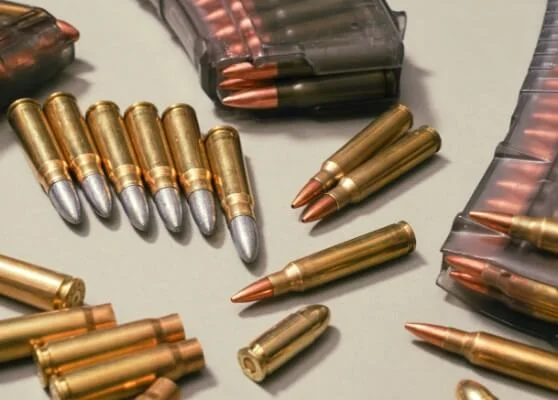
SAAMI’s handling guidelines give a few rules every owner should follow. The ammunition should chamber easily, with the bolt or slide closing without unusual force. The base of the cartridge should be marked with the same name as the barrel (a 9mm Luger round in a gun marked 9mm Luger, for example). And ammunition should always be inspected before use (SAAMI, Recommendations for Safe Ammunition Storage and Handling).
On top of that, a simple habit helps: before you rely on a load, shoot a few boxes of it through your own gun at the range and see whether it cycles cleanly. That is our practical advice, not a SAAMI rule. If a load jams, it is the wrong load for that gun, whatever the lab says.
Practice ammo and defense ammo are not the same thing
Many people practice with cheaper full metal jacket rounds and keep a different load loaded for defense. That makes sense on cost, but it adds one job: make sure both shoot to the same point and run the same way in your gun. SAAMI’s guidance on magazines is also worth following. Do not add fresh rounds on top of old ones. Empty the magazine, look over the rounds, and reload so the older rounds are fired first, because repeated recoil can damage cartridges.
If you keep ammo loaded for a long time, store spares the right way too. See how to store ammo for the basics.
What the test cannot tell you
The FBI protocol is a lab comparison. It was built to help an agency pick one load for its own use, with a fixed set of conditions. It does not predict how any one shot would go. It gives you a common yardstick, and that is all.
It also says nothing about your gun, your hands, or how much you practice. Those matter at least as much as the ammunition. Pick a load that runs in your gun, shoot it enough to know it, and keep your training up.
Talk it through at the counter
Not sure how to read a box, or which calibers fit your handgun? Ask the counter at Lakeside Munitions in Cumming. We will go over what is on the label with you. You can also ask your question first through our contact page, and we will point you to the right shelf.

