

The short answer: keep ammo in its original box, in a cool, dry place, away from heat, chemicals and open flame. Store it apart from your guns, and keep it where children and anyone else who should not have it cannot get to it.
That is not our opinion. It is the guidance from SAAMI, the trade group that sets safety standards for American ammunition makers. Everything below follows their publication, Recommendations for Safe Ammunition Storage and Handling, with plain-language notes on what it means at home.
How to store ammo: the basic rules
SAAMI’s storage guidelines come down to a few lines:
- Keep ammunition in its original packaging, or other packaging made for the purpose.
- Store it in a cool, dry location, away from solvents and other chemicals, heat sources and open flames.
- Do not leave it in a vehicle, including the trunk, for long stretches in direct sun or high heat.
- Store it separately from firearms and make it inaccessible to unauthorized people.
SAAMI says factory-fresh ammunition works in places from dry arctic regions to tropical rainforests. The problem is extended exposure. Long periods of high heat or high humidity can damage it, and the damage can raise or lower chamber pressure, cause incomplete burning of the powder, or cause a failure to fire.
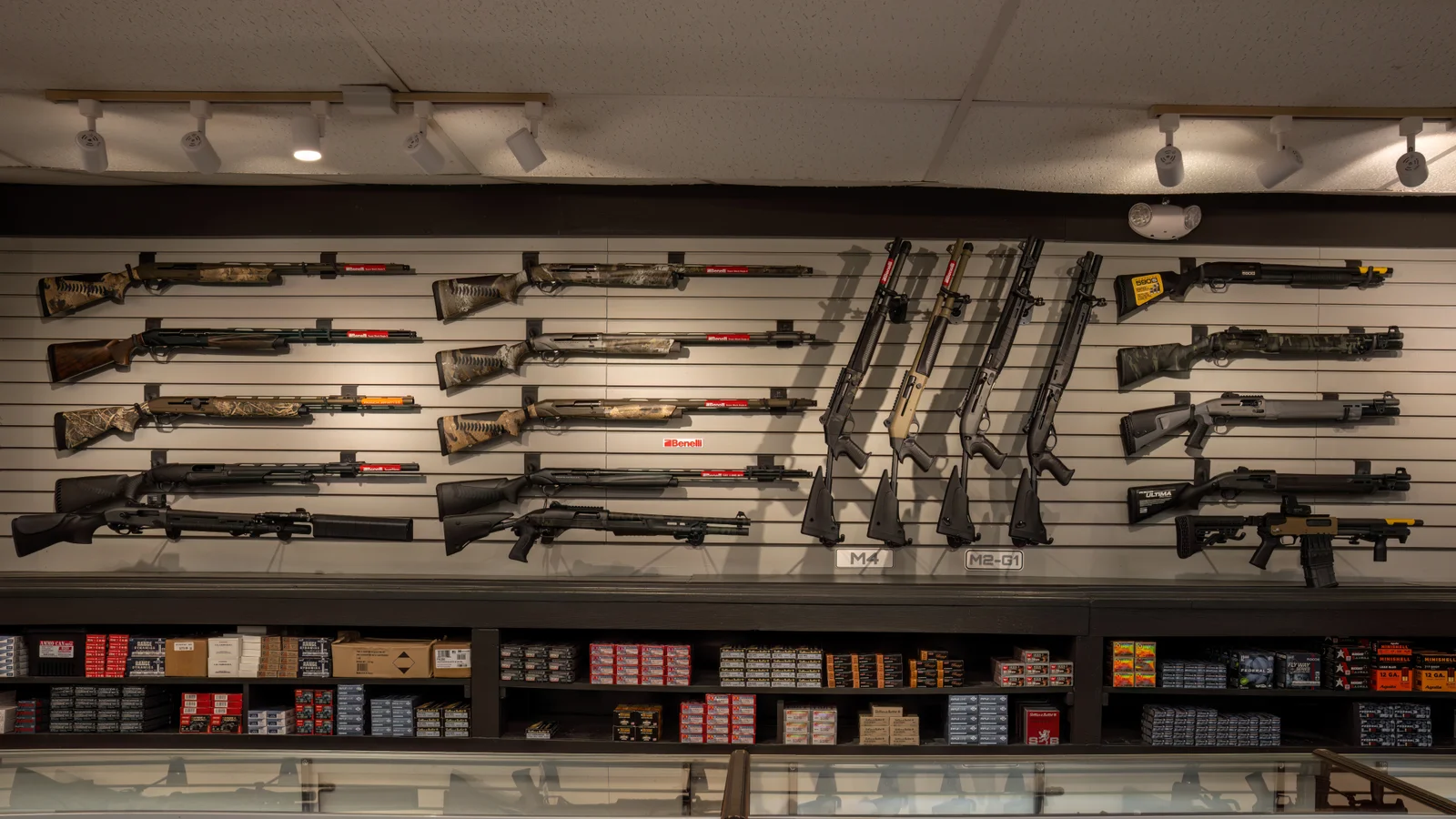
Why the original box matters
Makers pack ammo to meet shipping rules and to protect it. SAAMI notes that manufacturers package ammunition to meet criteria set by the U.S. Department of Transportation and international transport standards. The box keeps rounds from banging together, and it keeps the label with the caliber, load and lot information next to the ammo.
That label is worth keeping. If you ever mix rounds from two boxes into one bag, you lose the one way to tell what is in it. SAAMI also tells shooters to match the cartridge name stamped on the base of the ammunition (the headstamp) with the name marked on the firearm’s barrel. A loose, unmarked pile of rounds makes that check harder.
If you want a hard case or a sealed metal can, that is fine. It is still “packaging made for the purpose,” as long as the rounds stay sorted and labeled.
Heat, moisture and chemicals: what to avoid
SAAMI warns that water, solvents, petroleum products, acids, ammonia and other chemicals can damage ammunition. They can weaken the cartridge case or make a round hard or impossible to chamber. If moisture or chemicals get inside a cartridge, the result can be a failure to fire, incomplete burning or delayed firing.
In practice, that points to a few things to avoid:
- Garages, attics and sheds that swing from hot to cold or get damp. A cool, dry closet inside the house is a better fit.
- Spots near a furnace, water heater, hot light or stove. SAAMI lists heat sources and open flame as places to stay away from.
- Shelves next to cleaning solvent, gun oil, paint or fuel. Keep ammo on a different shelf, ideally in a different spot.
- The car. SAAMI says extended time in a vehicle in direct sunlight or at high temperatures can speed up the breakdown of the powder.
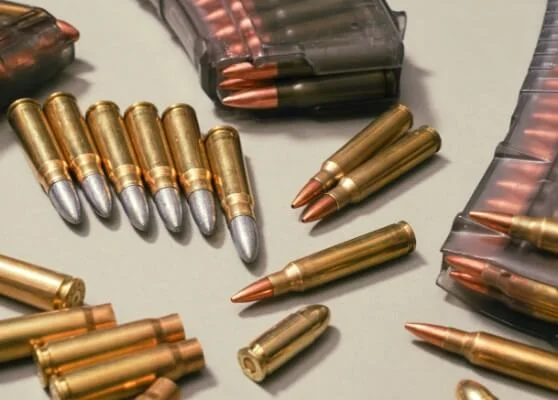
Keep ammo apart from your guns and out of reach
SAAMI’s advice is plain: store ammunition separately from firearms, and make it inaccessible to unauthorized persons. It also says to secure firearms so children and others who do not have your permission cannot use them.
Georgia is hot and humid for much of the year, so a lockable box or cabinet in a cool part of the house does two jobs. It guards against heat and damp, and it keeps ammo from anyone who should not have it. If you already own a safe for your guns, ask yourself whether it stays cool and dry inside. If it does, ammo can go on its own shelf or in a case in there, still separate from the firearms.
If you have kids at home, lock both. A locked gun with open ammo next door is only half the job.
A simple home checklist
Put SAAMI’s points together and you get a short routine you can finish in one afternoon:
- Check that every box is still in its original packaging, or in a case made for ammo.
- Pick a cool, dry spot inside the house, away from the furnace, the water heater, hot lights and open flame.
- Move cleaning solvents, oils, paint and fuel to a different shelf or room.
- Take any ammo out of the car, including the trunk, if it has been sitting there in the sun.
- Lock the ammo up separately from your guns, so it is out of reach of anyone who should not have it.
- Look over what you have. If a round shows corrosion, deep dents or scratches, set it aside and do not use it.
Do this once a season and you will catch most problems early. The whole routine costs nothing and takes little time, and it protects both your ammo and the people in your home. If you find ammo you no longer trust, our post on how to dispose of old ammo explains the next step.
Fire, drops and rough handling
Fire is a worry for anyone with a stockpile. SAAMI says that if one cartridge ignites and bursts, it will not usually cause surrounding cartridges to ignite. It also says individual cartridges will likely burst if ignited outside the chamber of a firearm, and a burst cartridge may throw out the primer, the bullet and pieces of the case. That is why it matters where ammo sits.
SAAMI also notes that a cartridge can ignite if the primer is struck by a drop or other rough handling. So do not toss boxes into a bag, and do not stack heavy items on top of them.
Used rounds, damaged rounds and old rounds
Ammo that sat in a hot truck or a damp shed can look fine and still not be fine. SAAMI says to inspect ammunition before you use it, and to properly dispose of cartridges that show damage such as corrosion, deep dents or scratches. If you are in doubt, do not chamber or fire it.
Two quick tips from SAAMI’s handling guidelines:
- Do not load and unload the same cartridge again and again. Repeated rechambering can damage the case or the primer, or push the bullet deeper into the case, which raises pressure.
- When you load a magazine, do not add fresh rounds on top of old ones. Empty it, inspect the rounds, and reload so the older rounds are fired first.
For how long ammo lasts, see our post on ammo shelf life. If you have rounds you no longer trust, see how to dispose of old ammo.
Questions about what to buy or how to store it
If you are picking up ammo for the first time, or you are not sure what fits your gun, ask the counter at Lakeside Munitions in Cumming. We can show you the options and talk through how to keep it. You can reach us through the contact page, or browse the ammo shelves in the store.

