

Ammo shelf life is not printed on the box as an expiration date, but makers do state one. Federal Premium and Remington both say that loaded ammunition has a 10-year shelf life if it is stored properly. Heat, humidity, moisture and chemicals are what shorten that. A box kept cool and dry in its original packaging is in much better shape than a box left in a hot car.
This post explains what the 10 year number means, what the industry says about storage, how to inspect old ammunition, and what to do with rounds you decide not to shoot. It is general information. If you have a specific box you doubt, the safest answer is to ask a qualified person, or the maker, before it goes in a gun.
Ammo Shelf Life: What Makers Say
Federal Premium’s FAQ answers the question directly. It says to store reloading components and ammunition in a cool, dry place, protected from direct exposure to sunlight, and that if stored properly, loaded ammunition and reloading components have a 10-year shelf life. Remington’s FAQ gives the same storage advice and the same 10-year figure for loaded ammunition.
Here are the two pages: Federal Premium FAQ and Remington FAQ. Both were read in November 2026.
Read that number carefully. It is a stated shelf life for properly stored ammunition. It is not a countdown that ends in a failure on day 3,651. It also depends on the word “properly.” The condition of the box matters more than the date it was made. The other industry sources below are about those conditions.
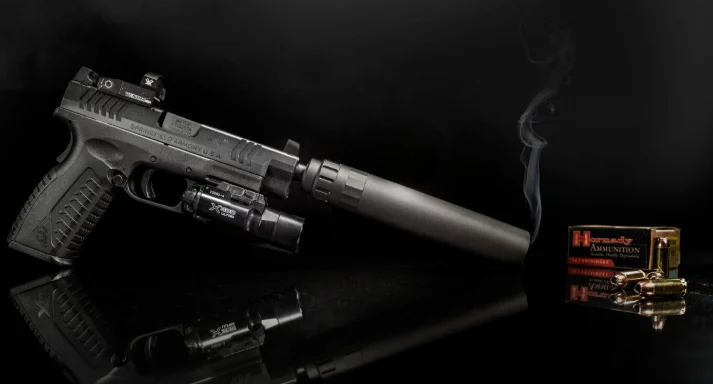
What Damages Ammunition
The Sporting Arms and Ammunition Manufacturers’ Institute, known as SAAMI, writes the industry’s standards for ammunition. Its pamphlet, Recommendations for Safe Ammunition Storage and Handling, does not put an expiration date on ammunition. It focuses on conditions. In plain words:
- Heat and humidity. SAAMI says factory-fresh ammunition will function properly in conditions from dry arctic regions to tropical rainforests, but extended exposure to high temperatures or high humidity may damage it. That damage may mean higher or lower chamber pressure, incomplete burning of the powder, or a failure to fire.
- Water, solvents and other chemicals. SAAMI says exposure to water, solvents, petroleum products, acids, ammonia and other chemicals can damage ammunition. This can happen through corrosive effects that weaken the case, or make the cartridge hard or impossible to chamber. If moisture or chemicals get inside the cartridge, the result may be a failure to fire, incomplete burning or delayed firing.
- Hot vehicles. SAAMI says it is not advisable to leave ammunition inside a vehicle, including the trunk, for long periods in direct sunlight or at high temperatures, because that can speed up the breakdown of the powder.
- Repeated loading and unloading. SAAMI says loading the same cartridge in and out of a chamber again and again can damage the case and the primer, and can push the bullet deeper into the case, which raises chamber pressure. Do not repeatedly rechamber the same cartridge.
None of this is about age on its own. All of it is about what the box has been through.
How to Store Ammunition
The storage advice from the makers and SAAMI lines up. Use this as a checklist:
- Keep it in its original packaging. SAAMI says to store ammunition in its original packaging or other packaging designed for the purpose. Remington says to keep it in the factory carton or package.
- Keep it cool and dry. SAAMI says a cool, dry location, away from solvents and other chemicals, heat sources and open flames. Federal adds protection from direct sunlight.
- Do not leave it in the car. See the heat note above.
- Keep it away from children and from the guns. Remington says to store ammunition in a locked closet or cabinet, in a cool, dry area, away from children and away from firearms. SAAMI says to store ammunition separately from firearms and make it inaccessible to unauthorized people.
The National Shooting Sports Foundation (NSSF) says the same in its safety rules: firearms and ammunition should be secured in a safe place, separate from each other, and it is your responsibility to prevent children and unauthorized adults from reaching them. See 10 Rules of Safe Gun Handling, rule 2. For more on storage, see our post on how to store ammo.
How to Inspect Old Ammunition
If you find a box in a closet, a bag or an inherited collection, do not guess. Look at it.
SAAMI’s pamphlet says ammunition should always be inspected before use, and that you should not use ammunition that has been damaged or is suspected to be damaged. It lists physical damage such as corrosion and deep dents or scratches. If in doubt, SAAMI says, do not chamber or fire it.
A simple inspection looks like this:
- Look at each case for corrosion.
- Look for deep dents and deep scratches.
- Look at the box for signs that it got wet. SAAMI says moisture that gets into a cartridge can cause a failure to fire or delayed firing.
- Think about where the box has been. If it spent time in a hot or damp place, treat it as suspect.
NSSF’s rule 5 says to never use damaged or substandard ammunition. The same pamphlet from SAAMI adds that ammunition should chamber easily and let the bolt or breech face close without unusual force. Never fire a round that needs abnormal force to close the action.
SAAMI also has a tip for magazines. When you reload a magazine, do not put fresh rounds on top of old ones. Empty the magazine, look over the rounds, and put the older ones back so they get fired first, because repeated exposure to recoil can damage cartridges.
A good habit is to write the date you bought a box on the box itself, in pen, on the outside of the carton. The makers’ 10 year figure is easier to use when you know how old a box is, and it helps you shoot your oldest rounds first, which is the same idea SAAMI gives for magazines.
What to Do With Ammo You Will Not Shoot
If a round fails your inspection, or if the ammunition is past its shelf life and you do not want to use it, dispose of it properly. SAAMI says damaged ammunition should be disposed of in accordance with federal, state and local regulations, and that your local law enforcement, fire department or shooting facility may be able to give disposal guidance. Remington says ammunition past its shelf life or exposed to fire should be disposed of with help from local authorities. Federal says to contact your local hazmat facility, since each state, county or city may have different rules.
Call your local authority before you decide how to get rid of it, because the rules differ by place.
Next Step at Lakeside
If you came across old ammunition and have questions about the box in your hand, send us a message or bring a question to the counter. If you are also sorting out a gun you no longer want, see our page on selling your gun. Our home page has the store hours.

