

A gun buyback is a program where a city, county or community group offers to pay people who turn in guns. Selling to a store is a business deal: a dealer appraises your gun, makes an offer and buys it if you agree. If you want the most for a gun that is still in good shape, the store is the usual path. If you want the gun gone and do not care about the price, a program may fit.
Both are legal ways to part with a gun you no longer want. This post explains how each one works and how to pick.
What a gun buyback is
RAND, a research group that reviews gun policy, describes buyback programs as paying individuals who turn over firearms to a public agency or a private organization. It says nearly all of them in the United States run at the city or county level, and taking part is always voluntary (RAND, Gun Buyback Programs in the United States).
A few things follow from that:
- They are events or programs, not a standing business. A buyback happens when a local group or agency sets one up. There may be none near you on a given week.
- The organizer sets the rules. What they pay, what they accept and what you have to do vary from one program to the next. Read the notice for the event you plan to attend, or ask the organizer before you go.
- The goal is fewer guns in the community. That is what the programs are for. They are not built to find you the best price.
Some people also use the word “buyback” to mean selling a gun to a business. That is a different thing, and it is the second path below.
What selling to a store is
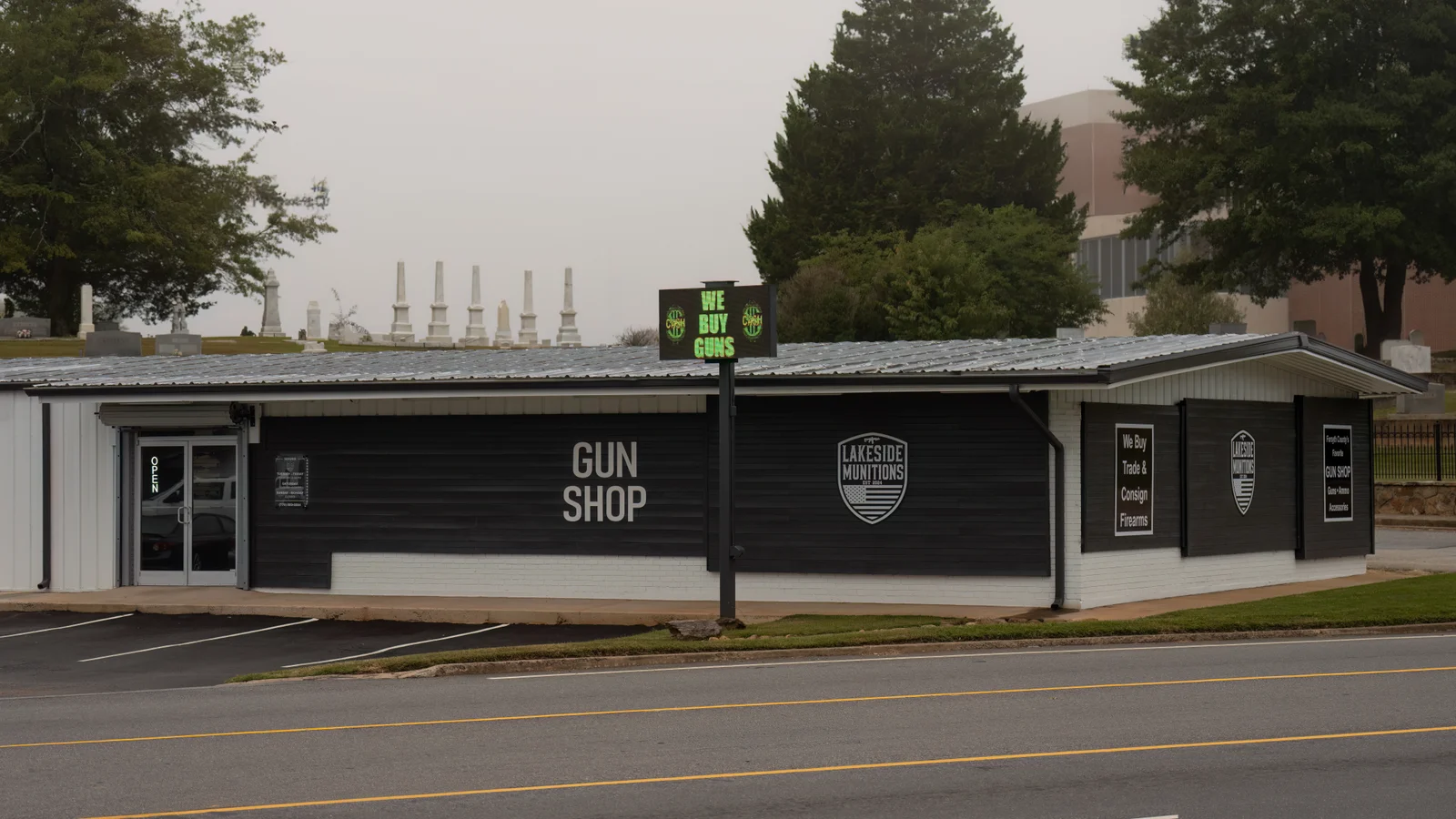
When you sell to a licensed dealer like us, the deal is between you and a business that buys guns to resell them. We run a national average calculation for your make and model, then agree the number with you before anything else happens. The appraisal is free when you want to sell, and there is no obligation. For the guns we buy, you are paid in cash on the visit. We may not buy every gun you bring, and we will tell you which ones we can. Our bring list for selling a gun covers what to pack.
You can also take the value as store credit instead of cash. Our post on selling or trading in a gun explains how each one works.
Side by side
| Gun buyback program | Selling to a store | |
|---|---|---|
| Who runs it | A city, county agency or community group | A licensed dealer |
| When it happens | When an organizer sets one up | Any day the store is open |
| How the amount is set | By the organizer’s rules | Appraised, then agreed with you |
| Best fit | You want the gun gone | You want a fair number for a gun that is in good shape |
The amounts and rules for a buyback differ by organizer, so we have left them blank instead of guessing.
Does a buyback work as a way to reduce gun violence?
This is a question people ask, and it has a straight answer. RAND’s review calls the evidence on buyback programs limited and mixed at best. It notes that the research is thin partly because the programs are small and local, and that only a tiny fraction of the guns in a community are ever turned in (RAND).
That does not make a buyback a bad choice for you. If your goal is to be done with a gun you no longer want, a program can do that. It only means you should not expect a single program to change much about the community on its own.
Which one fits you
Ask yourself two questions.
Is the gun worth something to you? A gun in good shape, with its box and magazines, often has real value to a store. A buyback is set up to take guns off your hands, not to match what a dealer might offer. If the number matters, get a store appraisal first. It is free when you want to sell, and you can say no.
Do you just want it gone? If the gun is broken, a family reminder you cannot stand to keep, or something you do not trust, a program or a store can both work. A store may not buy every gun, so ask before you drive over.
Whichever path you choose, do not hand the gun to someone you do not know to be a legal buyer. Federal law makes it unlawful to sell or dispose of a gun to someone you know or have reasonable cause to believe is prohibited from having one (18 U.S.C. 922(d)). This is general information as of November 2026, not legal advice.
A gun from an estate.
If the gun belonged to a family member who passed away, you may be weighing the same two paths for a whole collection. Email a list of the firearms to info@lakesidemunitions.com. We assess the collection and decide the best course of action. You can bring the guns to our store, or we can travel to locations in the Southeast. We make an offer on the guns we can buy and pay cash, and we help you understand the value of any guns the family keeps. Our guide to inherited guns in Georgia covers the legal side first.
A gun that is not safe to keep.
Some guns are the reason people look at buybacks: a gun in a house where someone should not have access to it. If that is your situation, the first step is to store it unloaded and locked while you decide. A store that buys guns, and a program, can both take it from there. Do not leave a loaded gun where a child or anyone at risk can reach it.
Getting a straight number first.
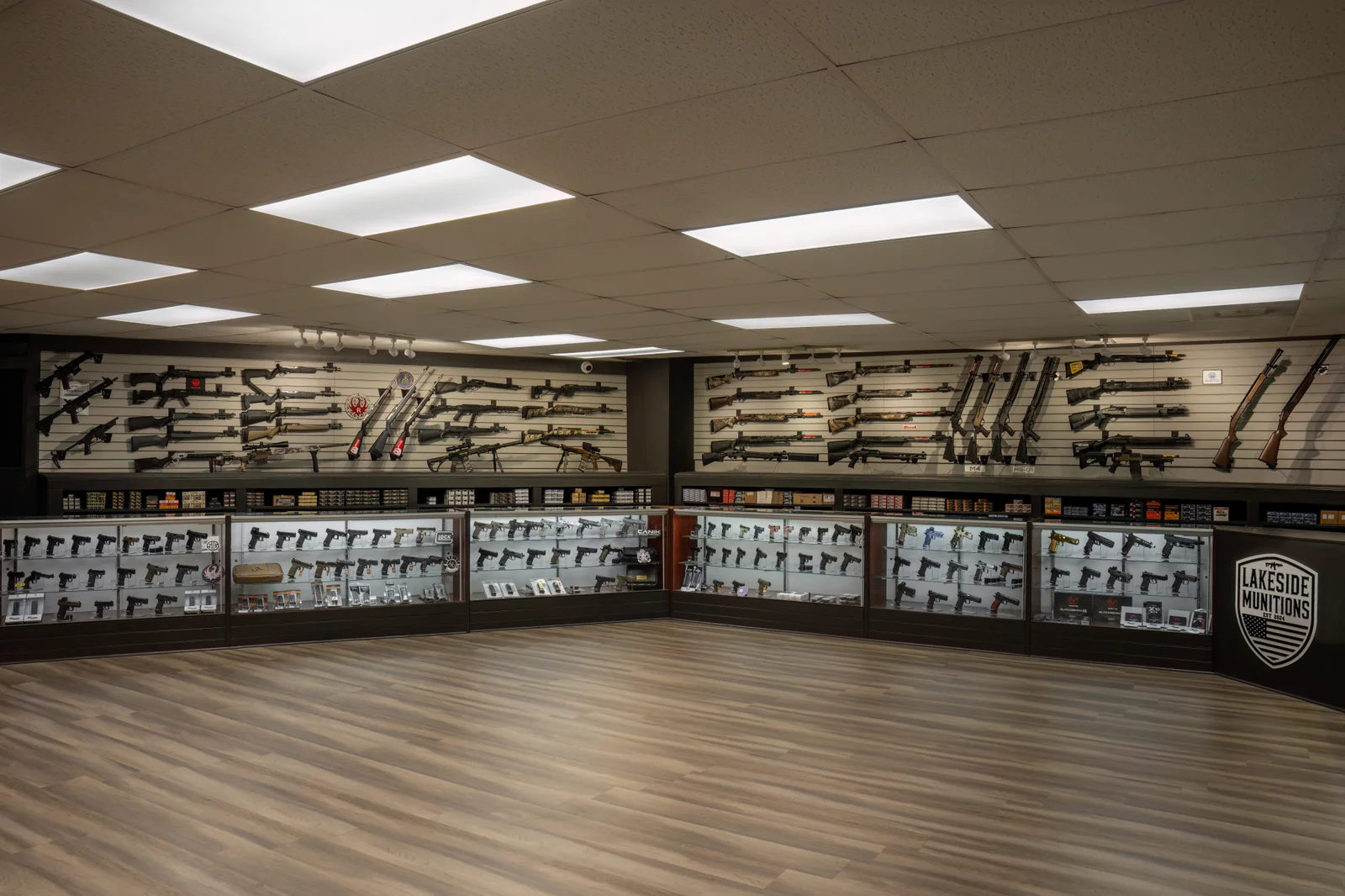
If you are leaning toward a buyback only because you do not know what the gun is worth, find out first. Bring it to our shop in Cumming and we will give you an appraisal. It is free when you want to sell, with no obligation. If you only want a number and have no plan to sell, tell us when you arrive: an appraisal-only visit may carry a fee, depending on the time it takes.
You can also read how condition changes a gun’s value in our post on what a gun is worth.
Next step
If you have a gun to sell, see how it works on our sell your gun page, or contact us with your questions. If you are looking for a buyback event, contact your city or county to ask whether one is planned.


