

A gun’s value comes down to a handful of things: make and model, how much collectors or shooters want that exact gun right now, condition, whether it is still original, and what comes with it. Type your model into a gun value calculator online and you will get a number in seconds. That number is a starting range, not a check in your hand, and knowing the difference is what keeps a seller from getting either lowballed or disappointed.
This guide covers what actually moves a gun’s value, how a real appraisal is different from an online guess, and how we handle it at our shop in Cumming when you bring one in.
What this post covers:
- The factors that actually set a firearm’s value
- How condition grading works, using the standard the industry uses
- Why an online number and a real offer are two different things
- How to check what a gun has actually sold for recently
- How Lakeside appraises a gun and what happens after you agree on a number
- What to do with an entire safe or an estate collection
What Actually Sets a Gun’s Value?
Start with make, model, and caliber. A Colt from the 1960s lives in a completely different market than a current-production gun in the same caliber, and a common trade-in like a Glock 19 or a Remington 870 has a wide, active market that keeps its price fairly predictable. An unusual or discontinued model is not automatically worth more. It is only worth more if collectors are actively chasing it, so rarity by itself does not mean much.
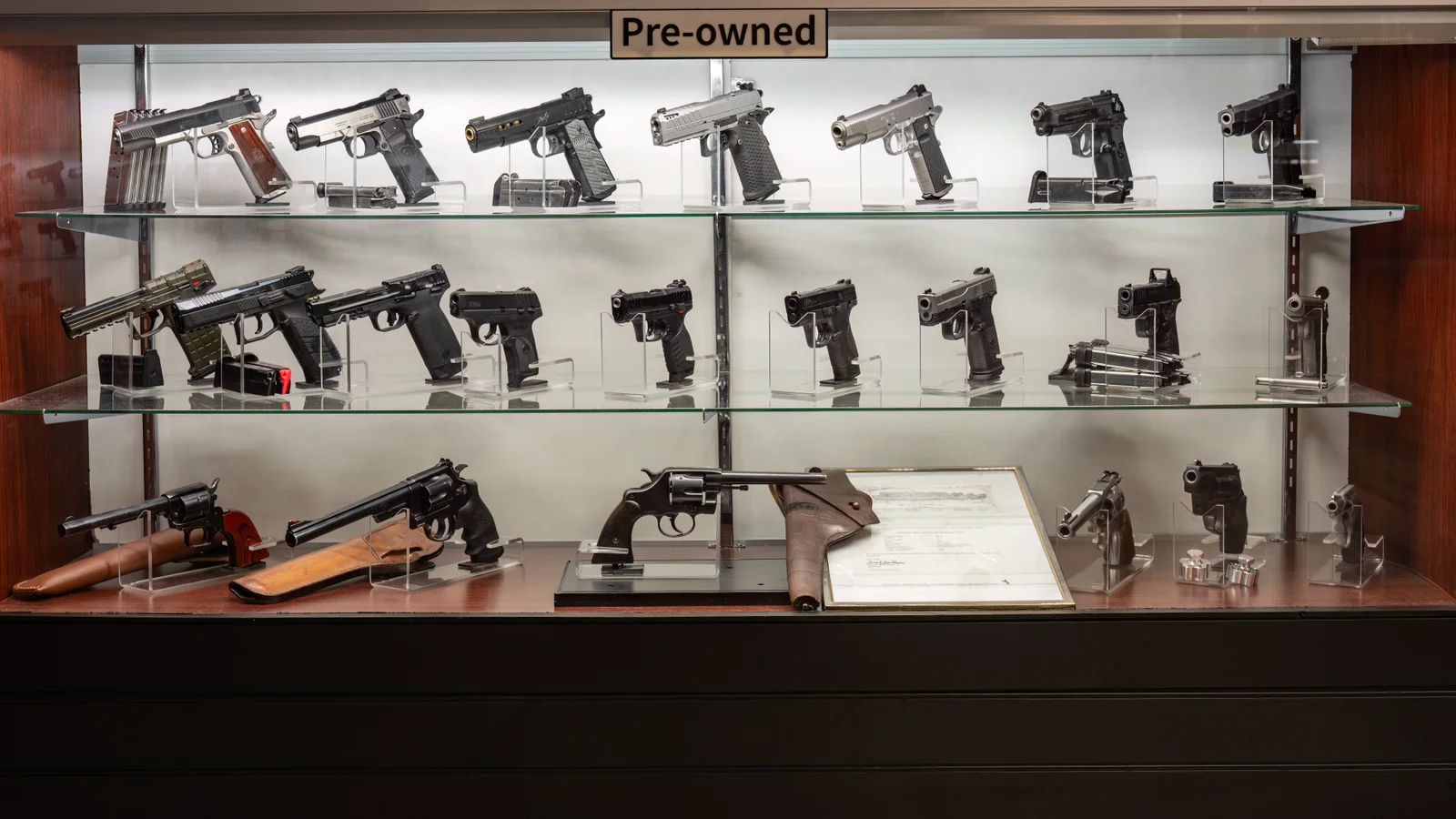
Demand moves more than most people expect. Certain calibers get harder to find, cultural moments push interest in a specific model up or down, and what a gun brought a year ago is not always what it brings today. This is one reason a printed price guide can lag behind what is actually happening at the counter or in the auction listings.
Condition is usually the single biggest factor, and it deserves its own section below.
Originality matters too. Aftermarket upgrades do not always add back what they cost at resale, since the next buyer may not want the same changes.
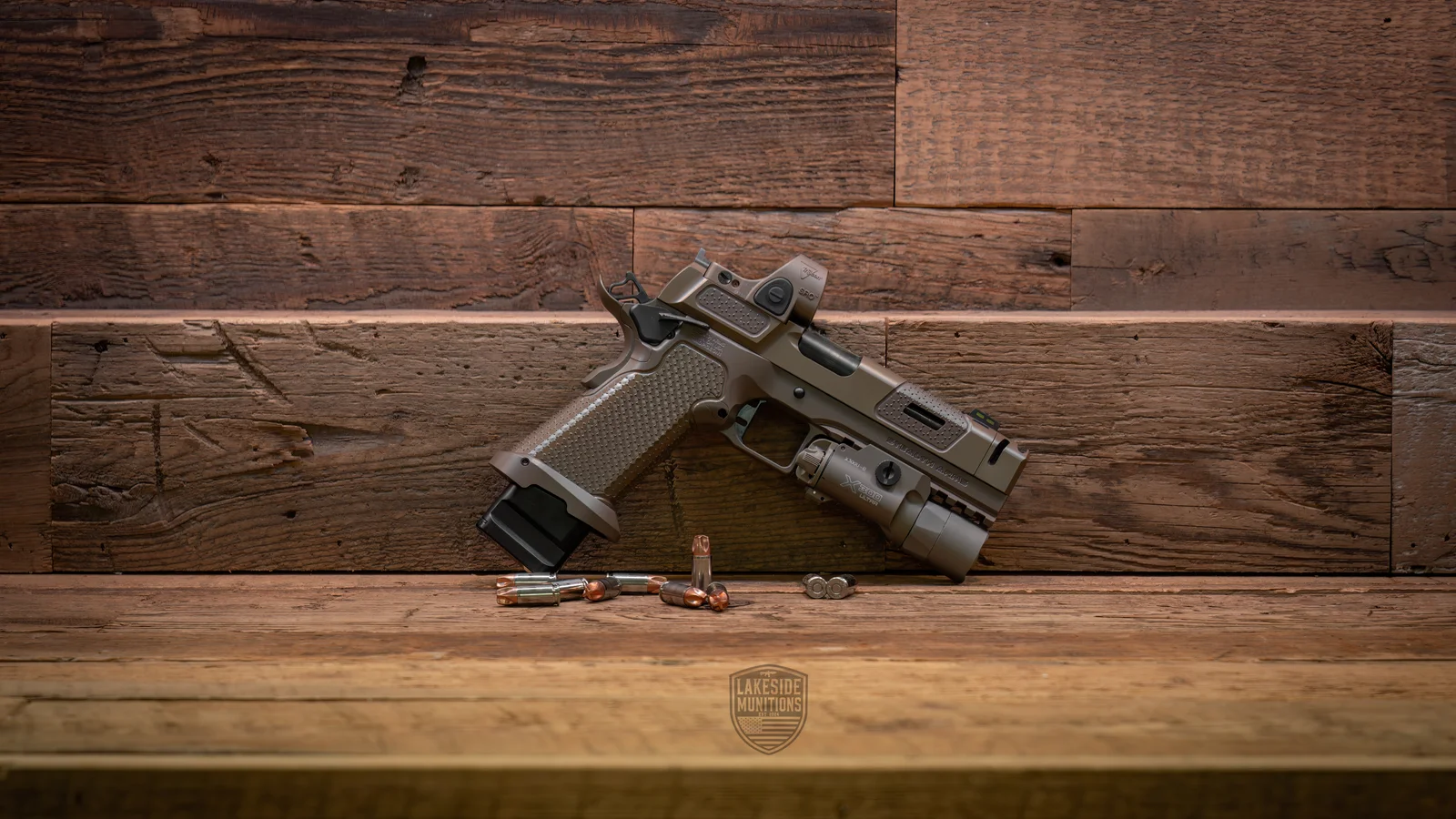
Box, papers, and accessories add real value in the right situation. The original box, the factory test target, an extra magazine or two, and a period-correct holster all matter to a collector buying an older or discontinued gun. On an everyday trade-in, they matter less. A gun in a case with no papers is not a deal breaker, it is just one more data point in the number.
How Condition Grading Actually Works
“Excellent,” “very good,” and “good” sound like opinions, but they are defined terms. The most widely used standard is the one the National Rifle Association set decades ago, and it is still the most widely used set of standards among collectors and dealers. For a modern firearm, the NRA’s published condition standards run from New and Perfect down through Excellent, Very Good, Good, and Fair, each one defined by specific wear, finish, and function, not a feeling.
Here is where most sellers overestimate. A gun with holster wear on the muzzle, a scratched slide, and a trigger that has gone a little spongy is not Excellent. It is Very Good at best, and one grade can make a real difference in price, especially on a collectible gun. Be honest and a little conservative when you grade your own gun. Whoever buys it will be.
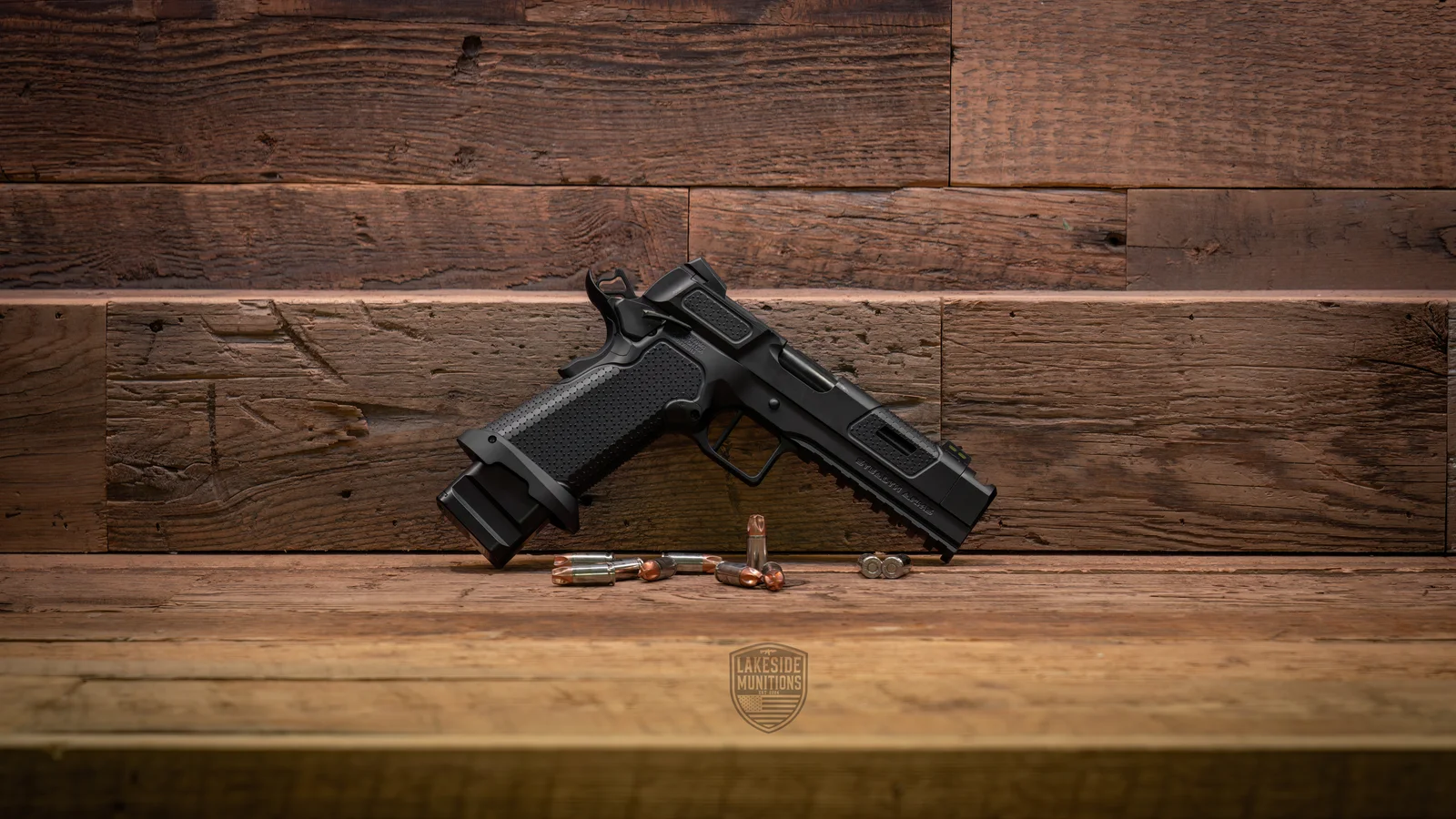
Pitting, rust that has been treated, and mismatched or replaced parts all pull a grade down even if the gun still shoots fine. None of that means the gun is worthless. It means the number has to reflect what is actually in front of the appraiser, not what it looked like the day it was bought.
An Online Number Is a Range, Not an Offer
This is the part almost nobody explains clearly, and it is the part that matters most. An online tool or a printed guide gives you a range based on the average condition, the average market, and a model that has probably never seen your specific gun. That is useful for a rough idea before you drive anywhere. It is not the same thing as what somebody will actually pay for the exact gun sitting in your safe.
A real appraisal happens with the gun in your hands and ours, in person, not from a description you typed into a form. We start from a national average calculation for that make and model, look the gun over with you, and then we agree the number with you before anything else happens. You are not told a number and handed cash for something different. You see the number, you agree to it, and only then does the transaction move forward.
That distinction, a range online versus an agreed number in person, is the honest answer to “what is my gun worth.” Anyone who tells you an exact dollar figure without looking at the gun is guessing.
| Online tool or price guide | Appraisal at our shop | |
|---|---|---|
| What it looks at | Average condition and the average market | The actual gun, in person |
| What you get | A starting range | A number agreed with you |
| Is it an offer? | No | Nothing moves forward until you agree |
How to Check What Similar Guns Actually Sold For
Before you walk in anywhere, it helps to have a rough number in mind so you know whether an offer is in the right neighborhood. A few ways to do that:
Completed sale listings. GunBroker’s completed items search (you need to be signed in) shows listings that have ended, and the ones marked sold show what a real buyer paid, not what someone is hoping to get. An active asking price that has sat unsold for months tells you the market will not support that number. A completed sale tells you what a real buyer actually paid.
A published price guide. The Blue Book of Gun Values has been the industry’s standard printed and online reference for decades, with condition-based pricing across tens of thousands of models. It is a solid starting framework. The printed edition comes out once a year, so it can lag a fast-moving market in either direction, which is why it is a starting point and not the final word.
A dealer who will look at the actual gun. Neither of the above has held your specific firearm. A price guide and a completed-sale search get you close. An in-person look at the wear, the bore, and the parts is what turns “close” into a real, agreed-upon number.
How Lakeside Appraises Your Gun
Bring the firearm to our shop in Cumming, whether it is one gun or several, with a photo ID and the original box, magazines and accessories if you have them. We run the national average calculation for that make and model, look the gun over with you, and agree on the number together before anything moves forward. Nothing is decided for you behind the counter.
When you are looking to sell, the appraisal is free, and there is no obligation. An appraisal-only visit, with no plan to sell, may carry a fee depending on the time it takes.
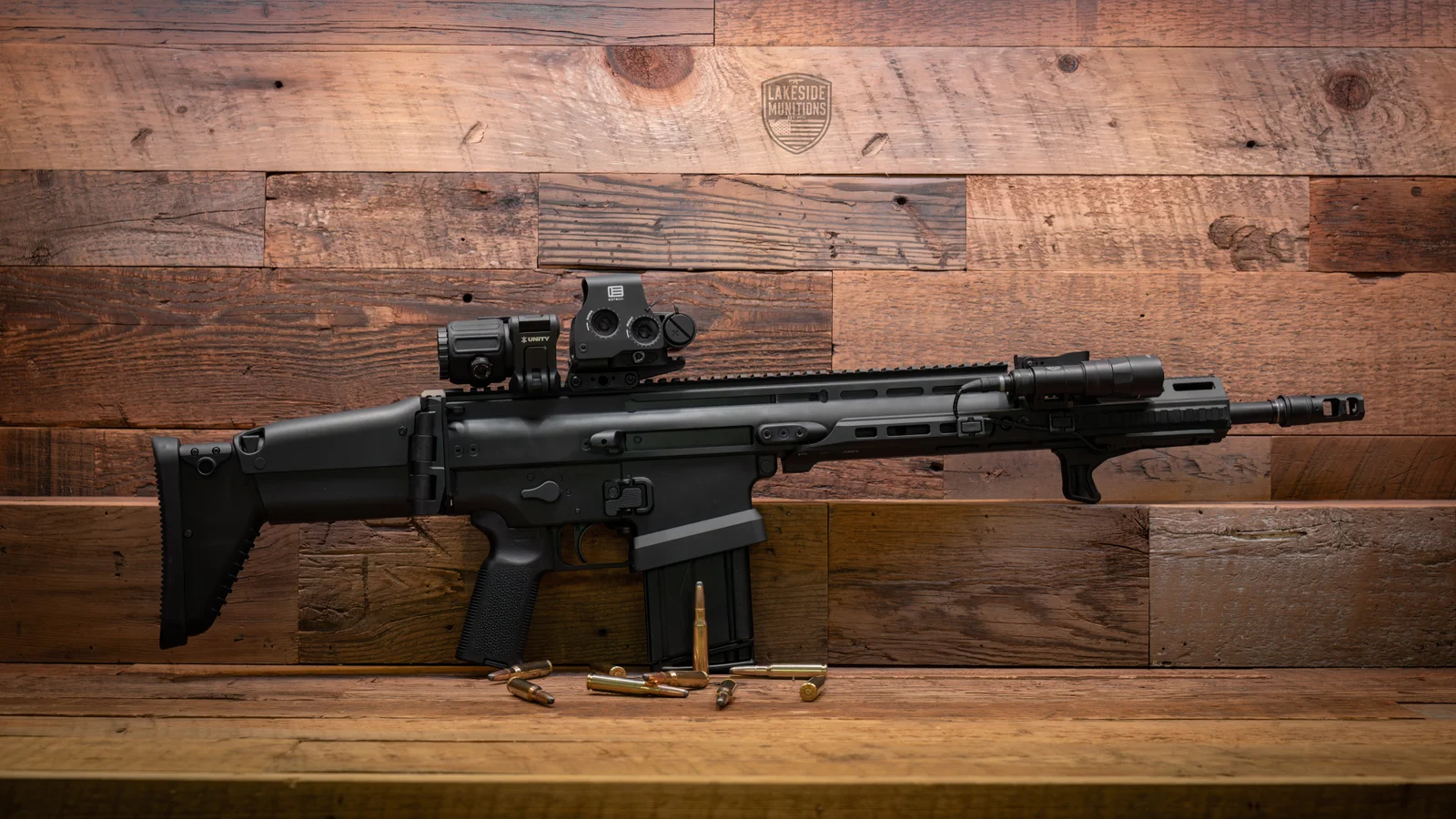
From there you have two paths. Take cash the same day for a gun we buy, or trade it: the value goes on your store account, and you can use it on anything in the store, suppressors included. Most sellers take cash or trade. We also consign in some cases, so ask if that is what you want.
If you are working with a trigger swap, a mounted optic, or general cleaning before a sale, we do that gunsmithing in the shop with posted prices, so you know that number too before anything gets touched.
Read more about how the whole process works, one gun or a whole collection, on our sell your gun page, or check current numbers on the pricing page.
Settling an Estate With Guns in It
If you are reading this because a parent or spouse passed and there is a safe full of firearms you did not expect to be responsible for, we want to say this plainly: you are not doing anything wrong by asking questions before you decide anything. You can have the collection appraised fairly and handled by the book without turning it into a project.
That is what we do. Start by emailing info@lakesidemunitions.com a list of the guns, with serial numbers and details, and a price if you have one in mind. You can bring the firearms to our store, or we can travel to locations in the Southeast. We appraise it using the same national average method and agree the numbers with the family. We may not buy every gun in it. For the guns we buy, we pay cash on site, and we help the family understand the value of any guns they keep. We also work with several local estate sale companies. Our guide to inherited guns in Georgia walks through the legal side.
One general point on the legal side, since it comes up often with inherited firearms: transferring or selling a gun as a private individual is generally different from operating as a licensed dealer, and federal law is specific about what counts as “engaged in the business” of dealing firearms versus a one-time private transaction. The statute itself says a person who “sells all or part of his personal collection of firearms” is not engaged in the business (18 U.S.C. § 921(a)(21)(C)). This is general information, not legal advice, checked September 2026, and every estate is a little different. The simplest way to stay on the right side of it is to let a licensed FFL dealer handle the actual transfer, which is what happens with any firearm you sell to us.
Every firearm that comes through our shop, whether it is one trade-in or part of an estate, is handled legally and by the book, logged the way federal law requires.
Is Cash or a Trade Better?
It depends on what you want out of the gun. Cash today means you walk out with money and we take on the job of reselling the gun ourselves. A trade puts the value on your store account, where it works on anything in the store, suppressors included.
Neither answer is right for every seller. Someone settling an estate on a deadline may want cash the same day. A seller who already has their eye on something in the case may prefer a trade. Ask us which option fits your situation when you bring the gun in. We would rather you leave with the right answer than the fast one.
Bring It In and Get a Real Number
A calculator gives you a range. We give you a number we will stand behind, in person, agreed with you before anything happens. One gun, a whole safe, or an entire estate collection, the process is the same: we appraise it honestly and we agree the number together.
Check our FAQ page for more on how transfers, trades, and layaway work, or bring the firearm in and let us take a look.


