

Sometimes, and usually only a little. In one sled test, a suppressor with a plain end cap barely changed how far a rifle rolled back, and one made it slightly worse. The suppressors that cut recoil by a lot were the ones with a muzzle brake built in or added on.
So the honest answer is “it depends on the suppressor.” This post walks through the one independent test we found, why results vary, and what to expect if you add one to your gun.
What the test found
Outdoor Life tested more than 100 suppressor and brake combinations on a recoil sled. The rifle was a 6.5 Creedmoor with a Lilja barrel, firing 145-grain bullets at about 2,800 feet per second. The rifle sat on a wheeled sled and was fired by an air bladder in the trigger guard. Recoil was measured as how far the sled rolled back, in inches. Here is the full test.
Here are some of the results.
| Setup | Sled travel |
|---|---|
| Bare muzzle | 39.5 in |
| Silencerco Omega 300, flat cap | 36.7 in |
| Mack Bros Zenith K, flat cap | 39.3 in |
| Able Theorem S | 40.4 in |
| Silencerco Omega 300 with a Recoil X brake | 21.9 in |
| Mack Bros Zenith L with its factory brake | 28 in |
A few things stand out. The Omega 300 with a flat cap rolled back a little less than the bare muzzle. The Zenith K was about the same as bare. The Theorem S rolled back the farthest of any result in the test. Then, with a brake added to the Omega 300, travel dropped to 21.9 inches, which is 14.8 inches less than the flat cap.
One note on the numbers: they come from one rifle and one cartridge. A different gun will give different results.
Why a plain suppressor does not always cut recoil
A rifle kicks back because the bullet goes forward and hot gas rushes out behind it. A muzzle brake redirects some of that gas to push the gun forward, which works against the kick. Our post on flash hiders and muzzle brakes explains how.
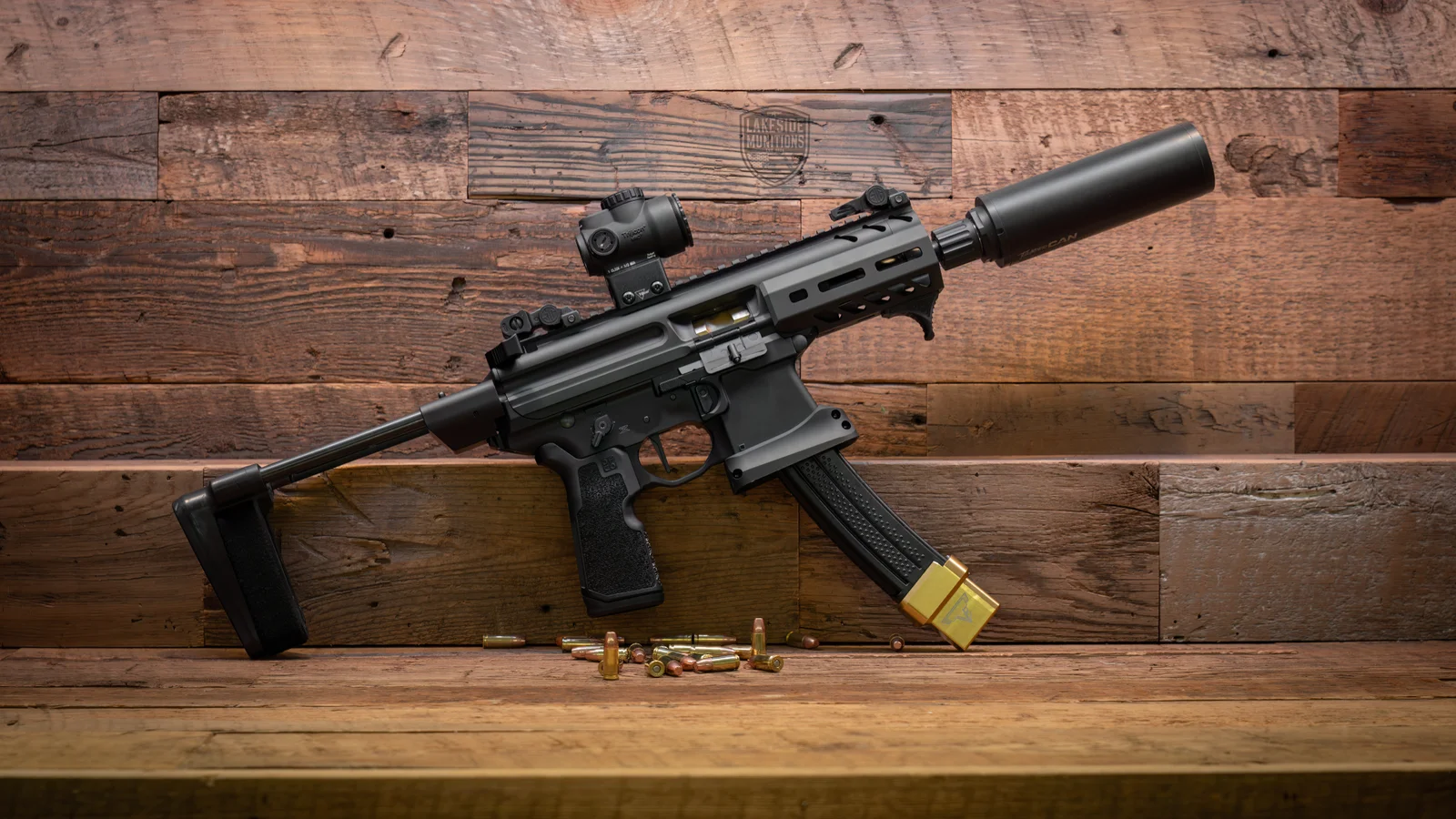
A suppressor is built mainly to slow the gas and trap sound. In the test, suppressors with a flat end cap showed little change in recoil, while ones with a brake did better. The article says sound-focused cans with factory brakes landed well below the flat-cap results in sled travel.
It also adds weight and length at the front of the gun, so a suppressed gun can feel a bit different even when the sled numbers look the same.
What a brake adds, and what it costs
The test measured brakes on their own too. A bare muzzle read 165 dB at one meter to the left of the muzzle. Two brakes alone cut the sled travel to 16.5 and 23.5 inches, but read 168.9 and 167.7 dB, which is louder than bare.
So if recoil is your only goal, a brake does more than a suppressor on its own. If you want less noise, a brake will not help, since both brakes in the test read louder than the bare muzzle. In the Outdoor Life data, the big recoil drops came from cans with a brake built in or added.
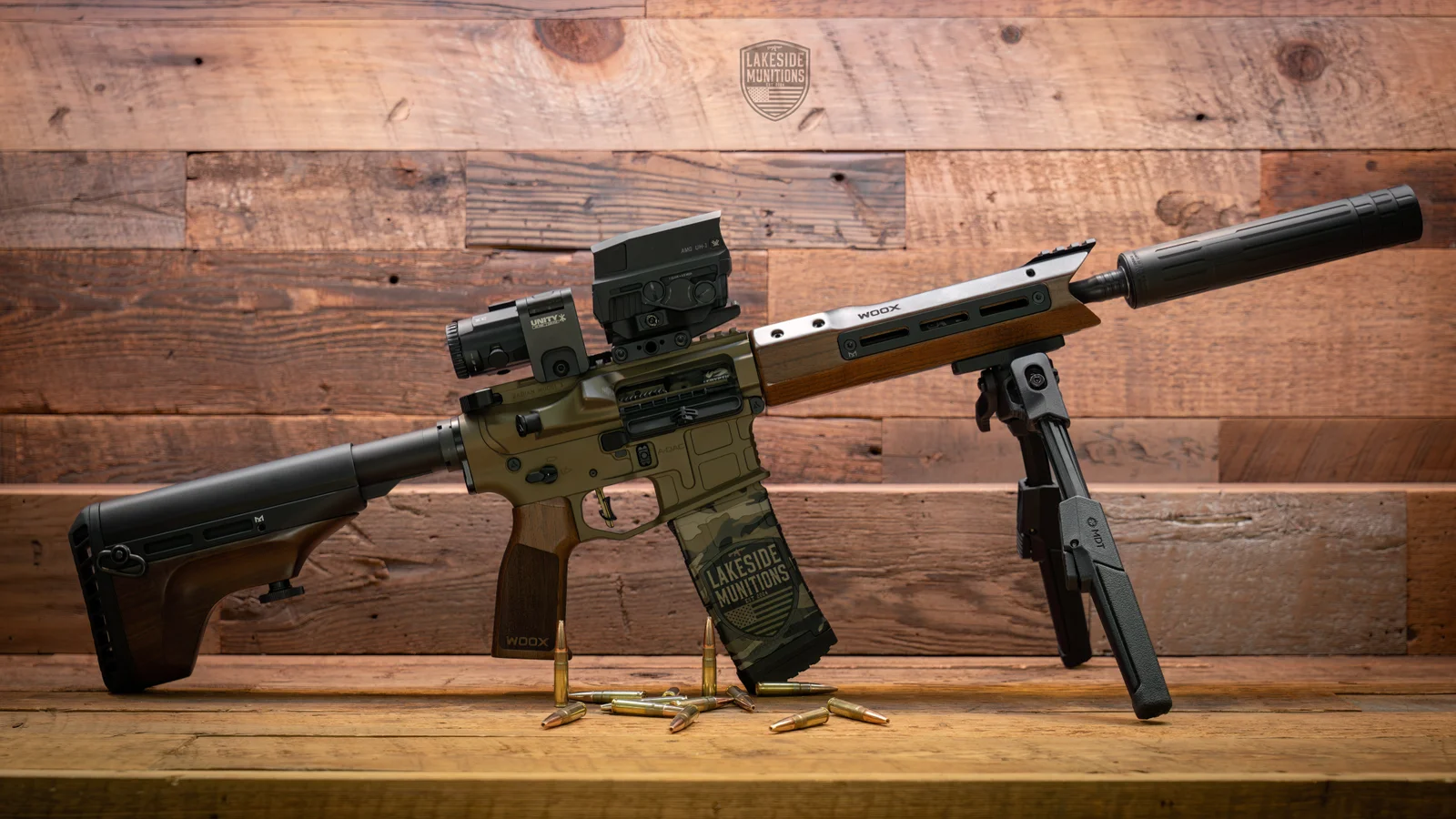
The test also found that the Recoil X brake typically cut recoil by 12 to 13 inches and added three to four ounces. Some heavier brakes added about 9 to 10 ounces. Brakes add weight, and heavier ones add more.
How to read a sled test
The test method matters when you compare numbers. Outdoor Life shot each suppressor four times and averaged the results, shot each brake three times, and read sound with a meter one meter to the left of the muzzle. Other combos tell the same story. A Scythe Ti suppressor rolled back 32.1 inches in the lightweight table, against 22.1 inches with a Recoil X brake added. The Hellfire brake alone, at 4 ounces, rolled back 23.5 inches.
Does less sled travel mean it feels better?
Not always. The Outdoor Life author warns that one inch of sled travel is about 4 percent of felt recoil, and that a difference of one or two inches may not be something you can feel. The author also says lower sled recoil does not mean a better experience, because a softer-recoiling system can have more barrel whip.
A gap of one to two inches is one the author says you may not feel at all. So use the numbers as a guide, not a promise. A 3-inch difference, like the Omega 300 flat cap against bare, is small. A 15-inch difference is large.
What to expect on your own gun
Here is a simple way to think about it.
- A suppressor with no brake. Expect small changes in recoil. You may notice more blast reduction than less kick.
- A suppressor with a brake built in or added. Expect a clearer drop in recoil, though results vary by model.
- Your gun matters. The test used one rifle and one cartridge. A pistol, a shotgun or a lighter rifle can behave differently.
- Weight matters. Extra weight up front can make the gun feel nose-heavy.
If recoil is the reason you want a suppressor, tell us what you shoot and why. We can talk through whether a suppressor, a brake or both fit your goal. Our post on whether a suppressor is worth it covers cost, approval times and what a suppressor does for your hearing.
For hearing, a peer-reviewed review says peak firearm sound runs from about 140 to 175 decibels. Suppressors on AR-15 rifles cut the mean peak by 18 to 22 decibels in one study it describes, and they do not always bring the peak below 120 to 140. That is why recoil and sound are two different goals, and why ear protection stays on.
Come by our Cumming shop to handle suppressors and talk about your gun. If you buy a muzzle device from us, we install it for free, and our gunsmithing page lists every posted price. To learn how buying a suppressor works, see our suppressors page or reach us through the contact page.


