

Titanium is the lighter metal, and stainless steel is the cheaper, tougher-on-heat metal. A third choice, Inconel, is a pricier alloy made for hard use. Which one is right comes down to how you shoot. If you carry the gun a lot or shoot a bolt rifle or pistol, titanium usually makes sense. If you run a rifle hard in long strings, stainless or Inconel holds up better.
Here is what makers and dealers say about each metal, with their own numbers where they give them. Most of this is from companies that sell suppressors, so read the figures as ballpark claims, not lab tests.
Titanium vs stainless steel: the short version
| Titanium | Stainless steel | |
|---|---|---|
| Weight | Often about half of a similar stainless can | Heavier |
| Heat | Full erosion resistance up to about 750 to 800 degrees F | Robust to about 1,000 degrees F |
| Cost | Typically 40 to 100 percent more | Lower |
| Corrosion | Effectively never corrodes | Very good, may show surface rust in some grades |
Those figures come from Silencer Shop’s guide to suppressor materials. The page gives no test data behind them, and it words the weight claims loosely (“often half the weight,” “nearly twice as much”). Treat them as general rules.
Weight
This is where titanium wins. Silencer Shop says a titanium can is often half the weight of a similar stainless one, and that the same suppressor in stainless “will weigh nearly twice as much” as it would in titanium.
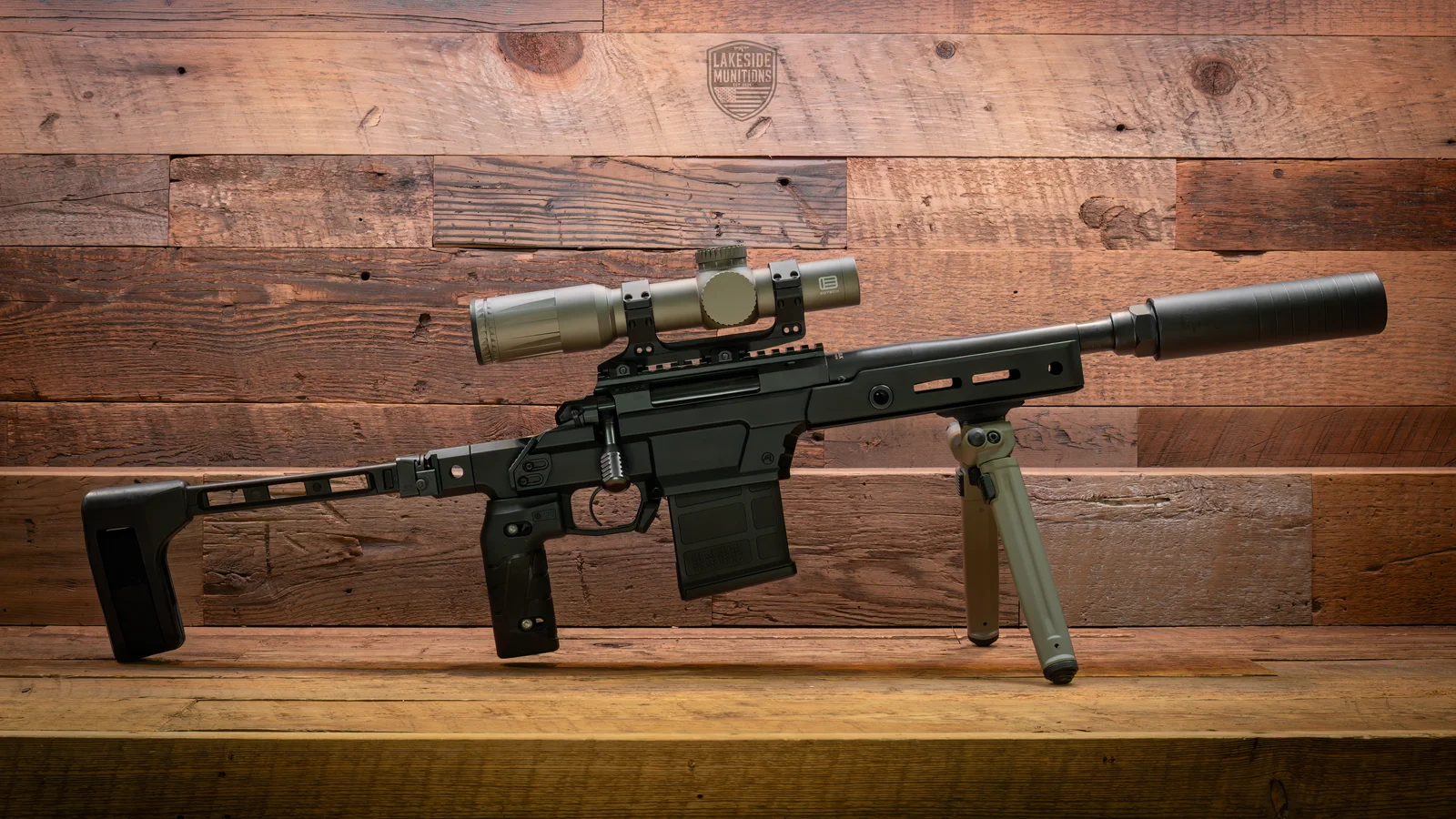
A suppressor hangs off the front of your barrel, so every ounce changes how the gun feels. On a long hike with a rifle, a lighter can is easy to notice. On a bench gun that never leaves the range, it matters less.
Heat
Heat is where stainless pulls ahead. Silencer Shop says titanium keeps full erosion resistance up to about 750 to 800 degrees F, while stainless is robust to about 1,000 degrees F and holds more heat. It also says “stainless steel resists erosion at higher temperatures than does titanium,” and that a titanium can can pass its limit in “2-3 magazine dumps,” depending on the caliber, barrel length and design.
In plain words, the more you shoot in a short time, the more the metal matters. A few rounds at a time from a bolt gun will not stress either one. Long strings from a short-barreled rifle will.
Silencer Shop’s guide to silencer build materials adds a third metal. It says Inconel can handle “extreme abuse and heat, while not being overly heavy,” and can generally withstand a full-auto firing schedule and short-barrel rifles. Of titanium, it warns that the metal can be “susceptible to heat corrosion if you’re not careful.” That page gives no temperatures or weights for Inconel, so there are no numbers to compare.
Does the metal change how loud it is?
Not much, if you believe the people who sell them. Silencer Shop’s page states that “Material ≠ sound” and says baffle design and internal volume drive how well a can quiets a shot, not the metal. The same page says “sound performance is design-driven,” and that the material mainly affects weight, heat behavior, durability and price.
So you do not need to buy a more expensive metal to get a quieter shot. Compare the designs and ask what the maker says about the sound on the gun you plan to use.
For real numbers on sound, see our post on how loud a suppressed gun is.
Cost and rust
Silencer Shop says a titanium suppressor typically costs 40 to 100 percent more than an equivalent stainless one, and that the raw stainless costs about half as much as titanium. The same guide says Inconel carries a higher price point and is harder to work with, so only a few models use a full Inconel stack. More often you see it as a blast baffle in mid-range cans.
On rust, titanium rates “excellent” in Silencer Shop’s table, and it says titanium effectively never corrodes. Stainless is “very good,” though some grades can show surface rust, mostly after high heat or chemical exposure. Silencer Shop also warns that titanium should not be exposed to acids or chlorine.
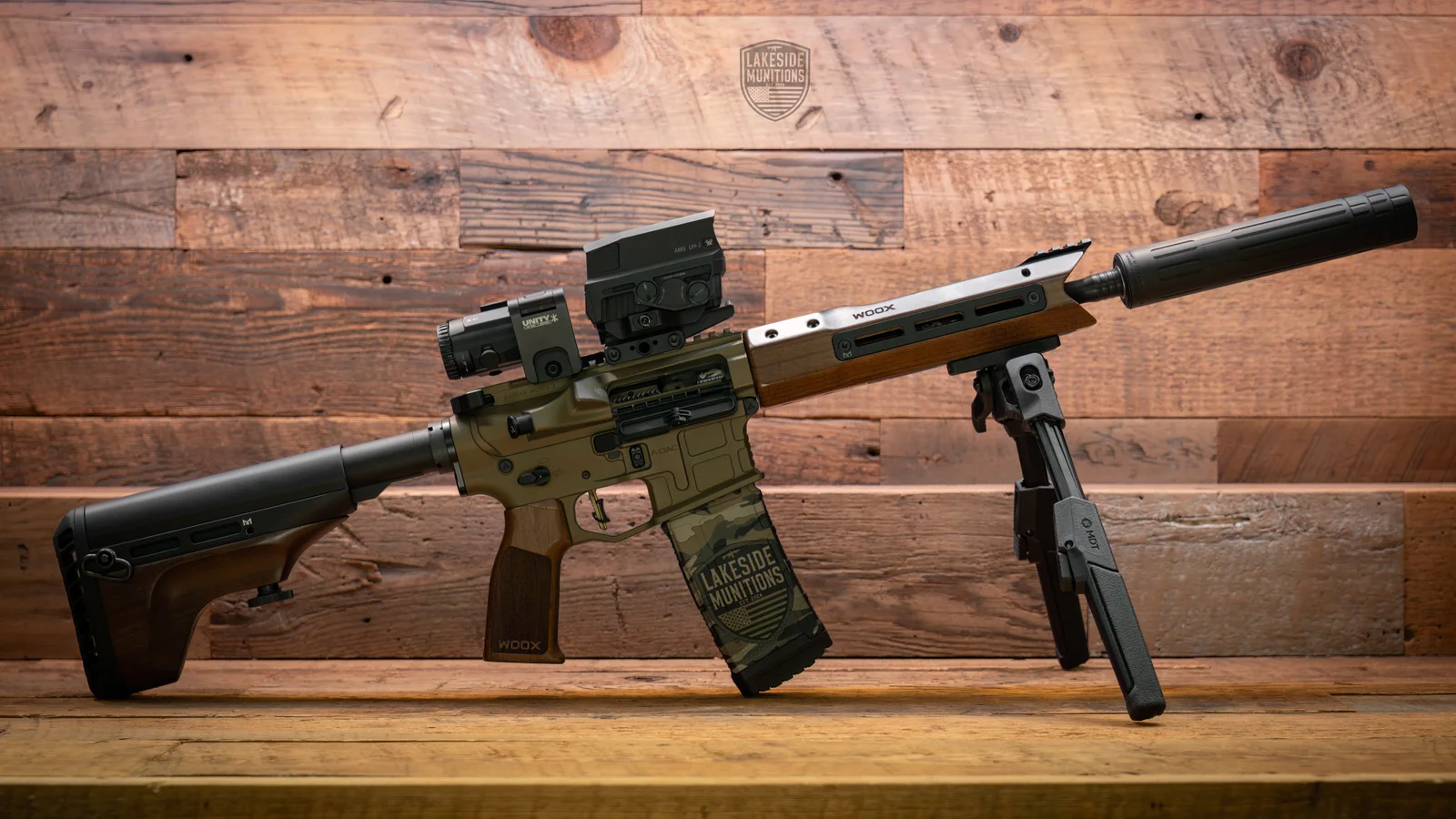
The build-materials guide notes that titanium is most common in 7.62mm and large-bore rifle cans, where precision and weight matter. It says those cans are often paired with an Inconel or stainless blast baffle for added durability. So a can can mix metals, and the spec sheet will tell you which part is which.
Which metal fits how you shoot
Strength is the word that confuses people, so be careful with it. Silencer Shop rates titanium’s strength-to-weight as “very high” and stainless as “average,” yet it also says stainless resists erosion at higher temperatures. Both are true. Titanium gives you more strength for each ounce, and stainless gives you more tolerance for heat. Neither one is simply stronger. It depends on which job you are asking the suppressor to do.
Corrosion is a separate question from strength. Silencer Shop’s table gives titanium an “excellent” rating for rust, but its build-materials guide still cautions about heat corrosion if titanium is run hard. If you shoot in wet country or run your can hot, ask the maker how that model holds up.
Silencer Shop’s own advice, in short:
- Backcountry hunting or long carries: titanium, because the weight savings matter most.
- High-volume carbine classes or short-barreled 5.56 rifles: stainless, for the higher heat tolerance and abuse resistance.
- Precision bolt rifles: either metal works. Choose by balance and by any match rules.
- Pistols and pistol-caliber carbines: either works, since these guns rarely reach a can’s heat limits.
- A tight budget, or one can for many guns: stainless.
Silencer Shop’s build-materials guide has the same broad shape: titanium where precision and weight matter, and Inconel where a can has to take a full-auto schedule or a short-barrel rifle.
Before you buy, ask three plain questions. What gun will wear this can most often? How many rounds do I fire in a row? How far will I carry it? Your answers point to a metal more clearly than any spec sheet will.
If you are choosing a first suppressor, think about the gun you shoot most, not the metal on the spec sheet. Our post on choosing a first suppressor caliber starts there, and a multi-caliber can adds another trade-off between weight and range. Heat is also its own topic, covered in how hot a suppressor gets.
Metal does not change the paperwork
Whichever metal you pick, a suppressor in Georgia still goes through an ATF Form 4, as of November 2026. The federal tax on it has been $0 since January 1, 2026. Buy it from us and there is no transfer fee. At our counter, approvals for individual filings are running 2 to 3 days right now, up to 21 days, and up to a month through a trust. The full steps are on our suppressor page.
Come handle a few
Weight is easier to feel than to read about. Come by our Cumming shop, hold a few suppressors and ask what fits the gun you shoot. If you have a question first, send it through our contact page, or read how buying works on our suppressor page.


