

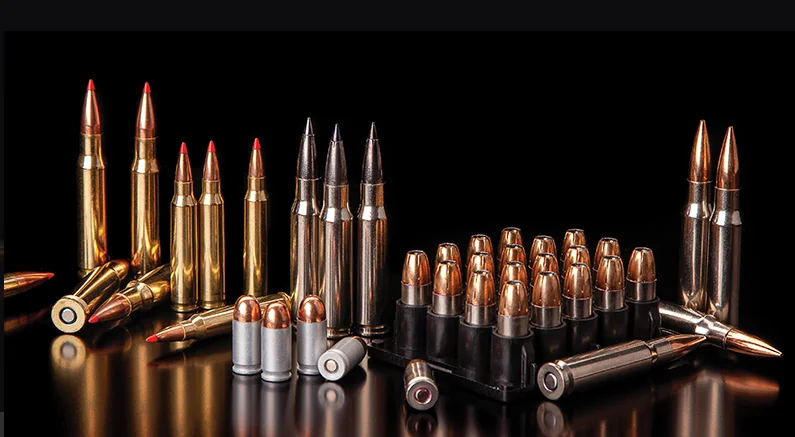
Subsonic ammo is ammunition whose bullet leaves the barrel slower than the speed of sound. Makers and suppressor companies put that line at about 1,125 feet per second. A bullet slower than that makes no sonic crack in flight, which is why people pair subsonic loads with a suppressor.
A suppressor cannot slow a bullet down. If you want the quietest result, the ammo has to be subsonic to begin with. This post explains what that means and what to check before you buy a box. It is general information and not a recommendation for any one load.
What “subsonic” means
Sound travels through air at a set speed, and that speed depends on the air. NASA’s Glenn Research Center puts it at about 761 miles per hour, or 1,100 feet per second, on a standard day at sea level. NASA also explains that the speed of sound depends on the gas and on its temperature, so the number moves a little with the weather. You can read the math on NASA’s speed of sound page.
Most suppressor makers round the line to 1,125 feet per second. SilencerCo says supersonic ammo is any load whose bullet reaches or passes that speed, and subsonic ammo is designed to stay under it. It also points out that many common calibers, such as 9mm, .22 LR and .223 Remington, reach supersonic speeds even when the box does not say so.
So the word “subsonic” is about speed only. It does not mean silent.
Why a suppressor and subsonic ammo go together
A gunshot has more than one source of noise. According to SilencerCo, a suppressor works on the noise from the hot gas that rushes out behind the bullet. It is built to lower sound, not to change how fast the bullet moves.
A supersonic bullet adds a second noise of its own. SilencerCo says it makes a distinctive “pop” as it flies. Subsonic ammo avoids that noise because the bullet never passes the speed of sound.
SilencerCo’s summary is plain: a suppressor generally cannot make supersonic ammo perform at subsonic levels, and to get subsonic results you must use subsonic ammunition. Pairing the two lowers the sound more than the suppressor does alone with standard ammo.
You do not have to use subsonic ammo with a suppressor. Plenty of people shoot supersonic loads through theirs. Subsonic is the choice when you want the lowest sound and are willing to trade a few other things for it.
What a subsonic load looks like
Subsonic loads usually get there by using a heavier bullet at a lower speed. SilencerCo describes this as the usual method.
The cleanest published numbers come from the ammunition industry’s own standard. The Sporting Arms and Ammunition Manufacturers’ Institute (SAAMI) lists test loads for the .300 AAC Blackout, a cartridge known for suppressed use. In SAAMI’s 2015 standard, measured 15 feet from the muzzle in a 16 inch test barrel, these are the listed bullets and speeds:
| Bullet weight | Listed speed | Supersonic or subsonic |
|---|---|---|
| 123 grain | 2,280 feet per second | Supersonic |
| 220 grain | 1,020 feet per second | Subsonic |
Read the table as a picture of the trade. The heavy 220 grain bullet travels at less than half the speed of the lighter 123 grain bullet. The standard is ANSI/SAAMI Z299.4. The full 300 BLK story is in our post on the .300 Blackout.
For comparison, the same SAAMI standard lists the .223 Remington, a common rifle round, with bullets from 35 to 77 grains at about 2,700 to 4,000 feet per second. None of those standard loads is under 1,100 feet per second. SAAMI fixes the test barrel length and the spot where speed is measured, so the numbers in its tables can be compared with each other. A number on a box may come from a different barrel, which is one reason to read the fine print.
Some calibers sit under the line already. SilencerCo notes that .45 ACP is usually under 1,100 feet per second with standard loads, though subsonic loads are made for it too.
What you give up
Slower is quieter, and it also changes how the bullet behaves. SilencerCo says supersonic loads move faster and have a flatter trajectory than subsonic ones. Because the bullet is slower and heavier, a subsonic load is not the same tool as a fast one. SilencerCo adds that subsonic ammo is not typically ideal for self-defense, and that you should stay within the effective range of any subsonic load you shoot.
There is one more thing to watch. SilencerCo warns that some guns may struggle to cycle heavier bullets reliably, and that factors like the barrel’s twist rate and the caliber can change how a subsonic load performs. We have no standard that says how a given rifle will run a given load. The only way to know is to test the load in your own gun. If you are not sure, ask us at the counter.
What to check before you buy a box
A short list helps:
- Look for the word subsonic on the box. SilencerCo says the packaging will clearly mark subsonic ammo and often lists recommended barrel lengths.
- Check the listed speed. The number on the box should be under about 1,100 to 1,125 feet per second. Speed can vary a little with the gun and the weather.
- Match the caliber to your suppressor. Your suppressor’s rating is a separate question. Check the maker’s guidance for the caliber and the rounds it is built for.
- Plan to test it. Try a small box first before you commit to a larger one.
- Ask about cycling. If your rifle or pistol is a semi-auto, ask whether the load runs in a gun like yours. We can tell you what we know, and we will not guess.
Hearing protection still matters
Subsonic ammo and a suppressor lower the sound. They do not make a gunshot safe for your ears. SilencerCo says that without a silencer you still need quality hearing protection even with subsonic ammo, and describes subsonic ammo with a silencer as an extra layer of protection, not a replacement for it.
Hearing researchers agree on the size of the problem. A 2017 review by Meinke and colleagues puts the peak sound from firearms at about 140 to 175 decibels. The paper lists the choice of ammunition and the use of a suppressor among the factors that change the risk of hearing loss, alongside the fit and use of hearing protection. You can read the abstract on PubMed Central.
For a longer look at the cost and process of owning a suppressor, read our post on whether a suppressor is worth it.
What to do next
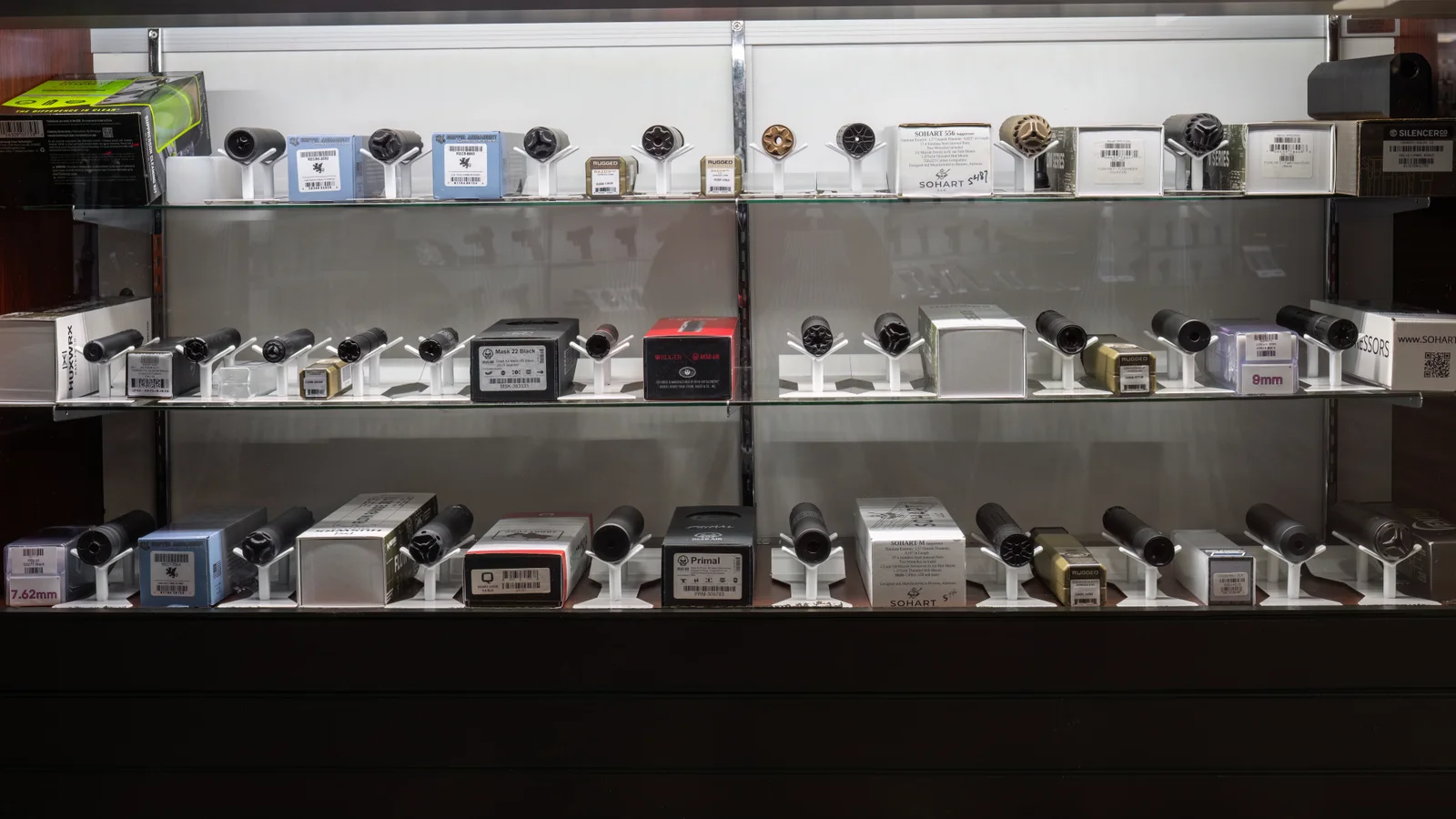
If you are thinking about a suppressor, or you already own one and want to talk about ammo, come by or call and ask. We will tell you what we know. Our suppressors in Georgia page lays out the buying process, or you can reach us through the contact page.


