

Striker fired vs hammer fired is about one thing: how the trigger sets off the round. In a hammer-fired pistol, the trigger releases a hammer that swings forward and hits the firing pin. In a striker-fired pistol, there is no outside hammer, and the trigger releases the firing pin itself.
Both kinds work, and both are common. The difference shows up in how the trigger feels, which controls the gun has, and how you handle it when you load and unload. This post explains each in plain words so you know what to ask when you handle one.
Striker fired vs hammer fired: the short version
Every semi-automatic pistol has to strike the back of a cartridge to fire it. The two designs do that job in different ways.
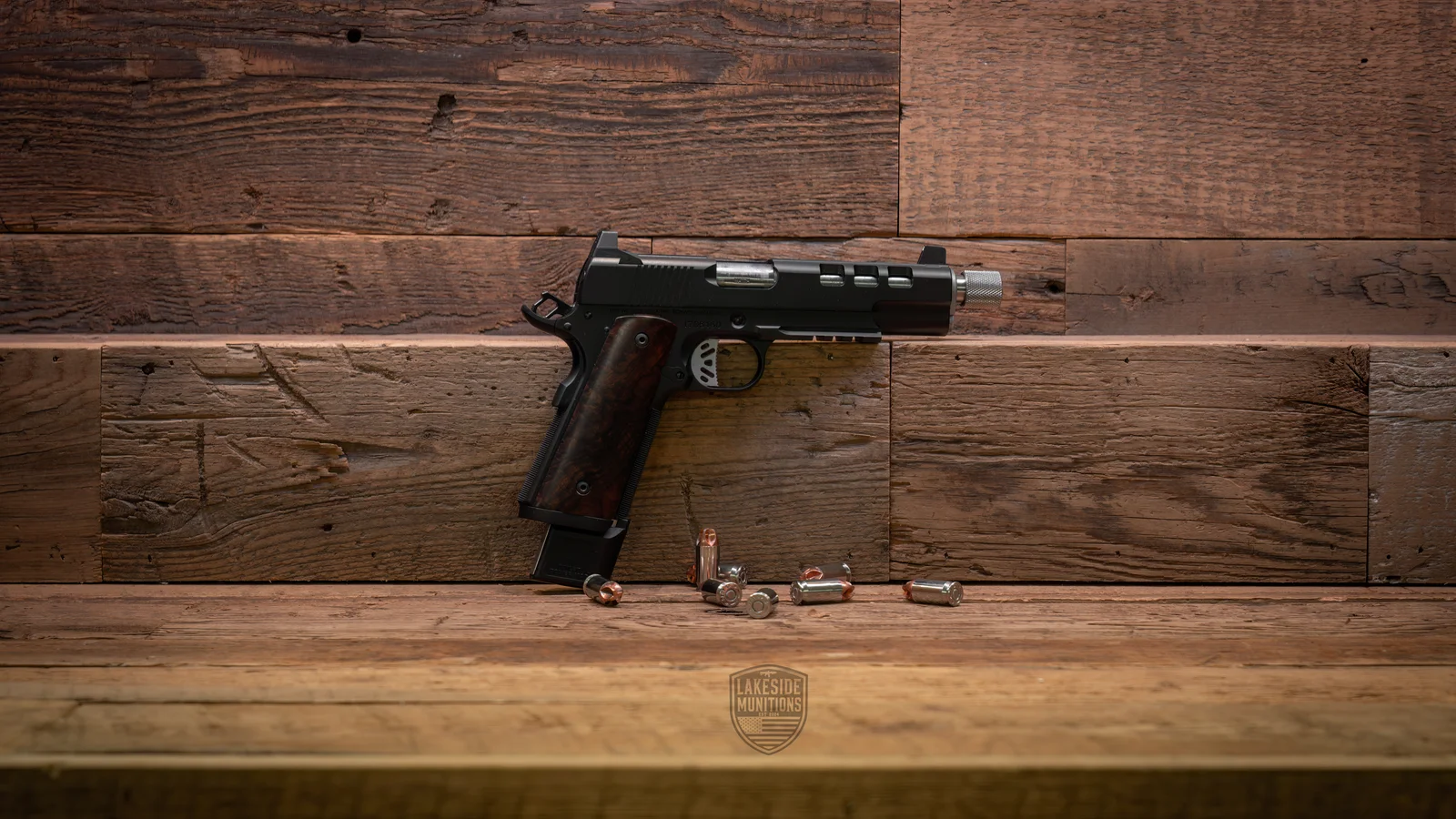
- Hammer-fired: You can see the hammer at the back of the slide. When the trigger releases it, the hammer swings forward, strikes the firing pin, and the pin drives into the primer. The primer is the small cap at the back of the cartridge that lights the powder.
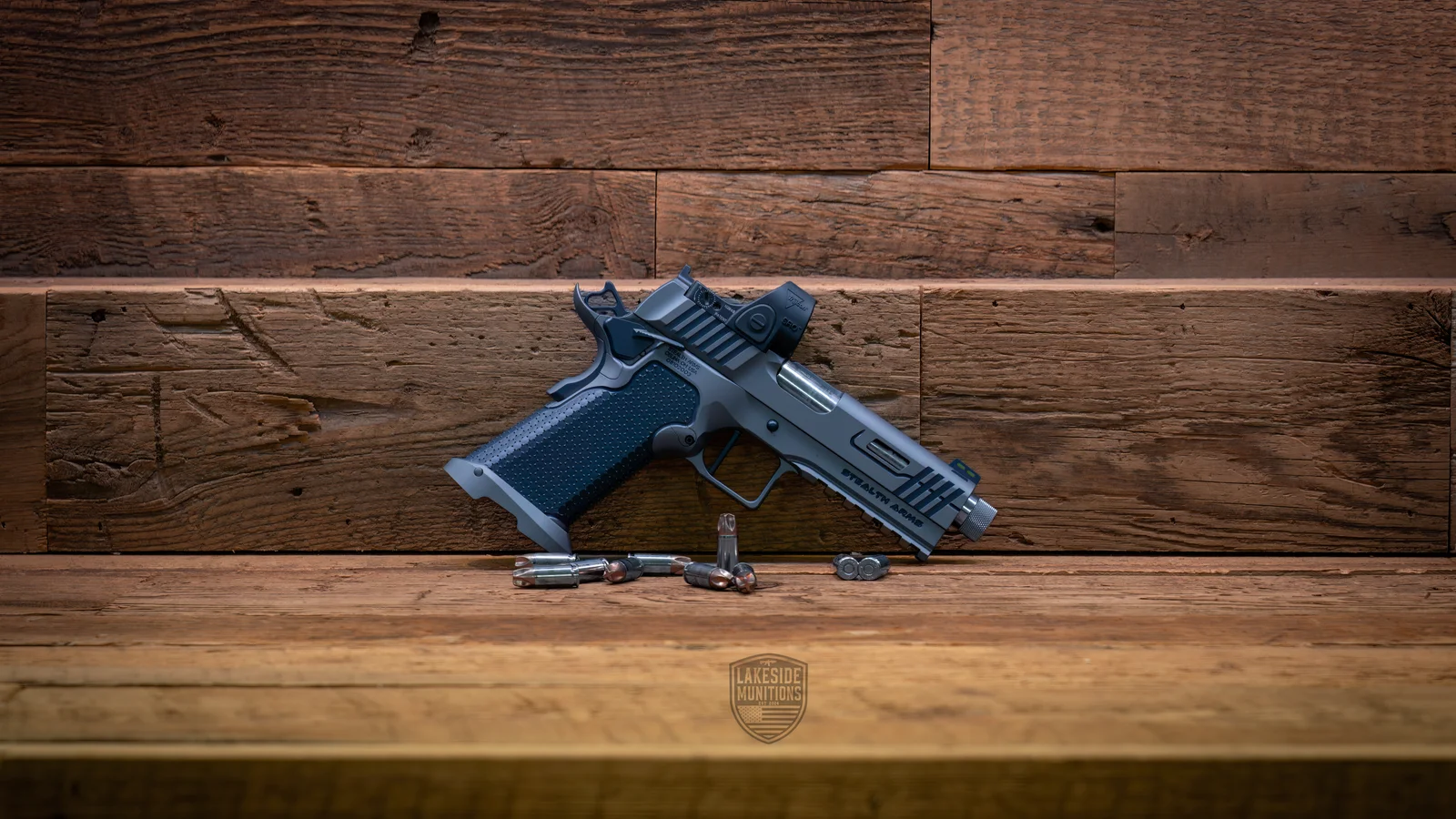
- Striker-fired: There is no external hammer. A spring-loaded firing pin, called the striker, sits inside the slide. When the trigger reaches the end of its travel, it releases the striker and the striker hits the primer.
That description follows the NRA Women’s guide to hammer-fired and striker-fired pistols. The rest of the differences grow out of that one change.
How hammer-fired pistols work
Hammer-fired is a wider family than people expect. The same NRA guide splits it into three types.
Single action. The hammer must be cocked before the trigger can fire the gun. Racking the slide after you load the magazine cocks it. These pistols often have a manual safety you flip off, and some have a second safety on the grip that releases when you hold the gun. The trigger only has to release the hammer, so there is no heavy first pull like the one on a DA/SA gun.
Double action/single action (DA/SA). The guide calls this the most common hammer-fired type. The first shot is double action: the trigger pull cocks the hammer and then releases it, so the pull is long and heavier. After that shot, the slide cocks the hammer for you, and every shot after is single action with a lighter, shorter pull. These pistols often have a decocking lever, which lowers the hammer safely without firing. The guide notes the downside: the change from a heavy first pull to a light second pull can make the first two shots land differently.
Double action only (DAO). The hammer is cocked and released by the trigger on every shot, so every pull is a double-action pull. The guide lists the same benefits as DA/SA, and the downside that every pull can be heavier than a single-action pull.
How striker-fired pistols work
Racking the slide on a striker-fired pistol only partly cocks the striker. The guide says it is fully cocked only when the trigger reaches the end of its travel. If the striker were to drop without a trigger pull, the guide says the result should be a light strike that is not enough to set off the primer.
The guide lists the benefits people cite:
- Many use double-stack magazines, which hold more rounds.
- Many have lighter polymer frames and a smooth, slim shape.
- With no hammer on the outside, there is nothing to snag.
They usually have no external safety you flip. Instead, they have internal safeties, which you cannot see. The guide says these stop the gun from firing if it is dropped. Some owners like that there is one less control to manage. Others want to see and feel a safety. That is a real preference, not a right or wrong answer.
What the trigger feels like
Triggers are where most new buyers feel the difference. This table follows the NRA guide’s descriptions of what the trigger does.
| Type | What one pull does | Usual safeties |
|---|---|---|
| Striker-fired | Finishes cocking the striker and releases it | Internal, none you flip |
| Single action | Releases a hammer you already cocked | One or two |
| DA/SA | First shot cocks and drops the hammer, later shots only release it | One or two |
| DAO | Cocks and drops the hammer on every shot | Not stated in the guide |
Treat the safeties column as a general pattern, not a rule. Individual guns vary, and the way to check is to look at the gun in front of you. The guide also notes that a DA/SA pistol’s first pull is typically heavier than the ones after it.
Which is better for a first-time buyer?
Neither one is better for everyone. Here is an honest way to think about it.
- Think about how much you want to learn. A striker-fired pistol has fewer controls to learn. A DA/SA pistol asks you to learn a heavy first pull, a light follow-up pull, and a decocker.
- Trigger pull is personal. Some people like a light single-action pull. Others like a trigger that works the same on every shot. You will not know until you press one.
- Safety is a habit, not a part. The NSSF rules of firearms safety say not to rely on a gun’s safety, because it is a mechanical device that can fail or be set wrong. Muzzle direction, trigger finger discipline and storage matter more than any internal part.
- Reliability matters most. The NRA’s first-time handgun buyer guide calls reliability the most important trait of a self-defense gun and suggests testing any gun with at least 50 rounds of defensive ammunition. That holds whether the gun is striker-fired or hammer-fired.
If you have never shot a pistol, the guide also recommends taking a basic pistol course, whether or not you have bought a gun yet.
Handle both before you decide
Reading will take you only so far. A heavy first pull sounds fine on paper and feels very different in your hand. Ask to hold a striker-fired pistol and a hammer-fired one back to back, unloaded and with the muzzle pointed in a safe direction. Press the trigger on each, and notice what your finger does.
Lakeside Munitions will not tell you one design is the right pick. We would rather put a few in your hands and let you decide. Come by the counter and tell us what you want the gun for. If what you want is not on the shelf, read how a special order works, or how an FFL transfer lets you bring a gun you bought online through our counter. If you are new to all of this, our post on what happens at the counter when you buy your first gun is a good place to start. You can also send us a question first.

