

A good range bag checklist covers eye protection, ear protection, the right ammunition, targets, a few small tools and a basic first aid kit. Pack the bag the night before so you are not hunting for ear plugs in the parking lot.
This checklist is built for a first trip and works for regulars too. Use it as a starting point and add what your own gun and range need. Every range has its own rules, so read them before you go.
Range Bag Checklist: The Non-Negotiables
These items come first, because a range trip does not go ahead without them.
Eye protection. The NRA lists wearing eye and ear protection among its basic gun safety rules (NRA gun safety rules). Look for glasses marked Z87+, which is the high-impact rating. ConcealedCarry.com’s guide to shooting glasses says the mark must be on both the frame and the lens, and that curved, wraparound lenses leave fewer gaps where hot brass can reach your eyes. Our separate post on eye and ear protection for shooting goes deeper.
Ear protection. NIOSH, the federal agency that studies workplace health, recommends wearing both earplugs and earmuffs whenever you fire a weapon (NIOSH hearing protection for hunters and shooters). Pack at least a pair of foam plugs and a pair of muffs. A spare pair of plugs costs very little and saves a trip if you lose one.
Your gun, unloaded, in a case. Transport and handling follow your range’s rules. The NRA rules say to keep a gun unloaded until you are ready to use it.
Ammunition that matches the gun. The NRA rules say to use only the ammunition the gun is designed for. Check the caliber stamped on the gun against the box before you leave home. If you are not sure, ask us.
Photo ID and any range membership or waiver. Many ranges ask for them at the door. Check with your range.
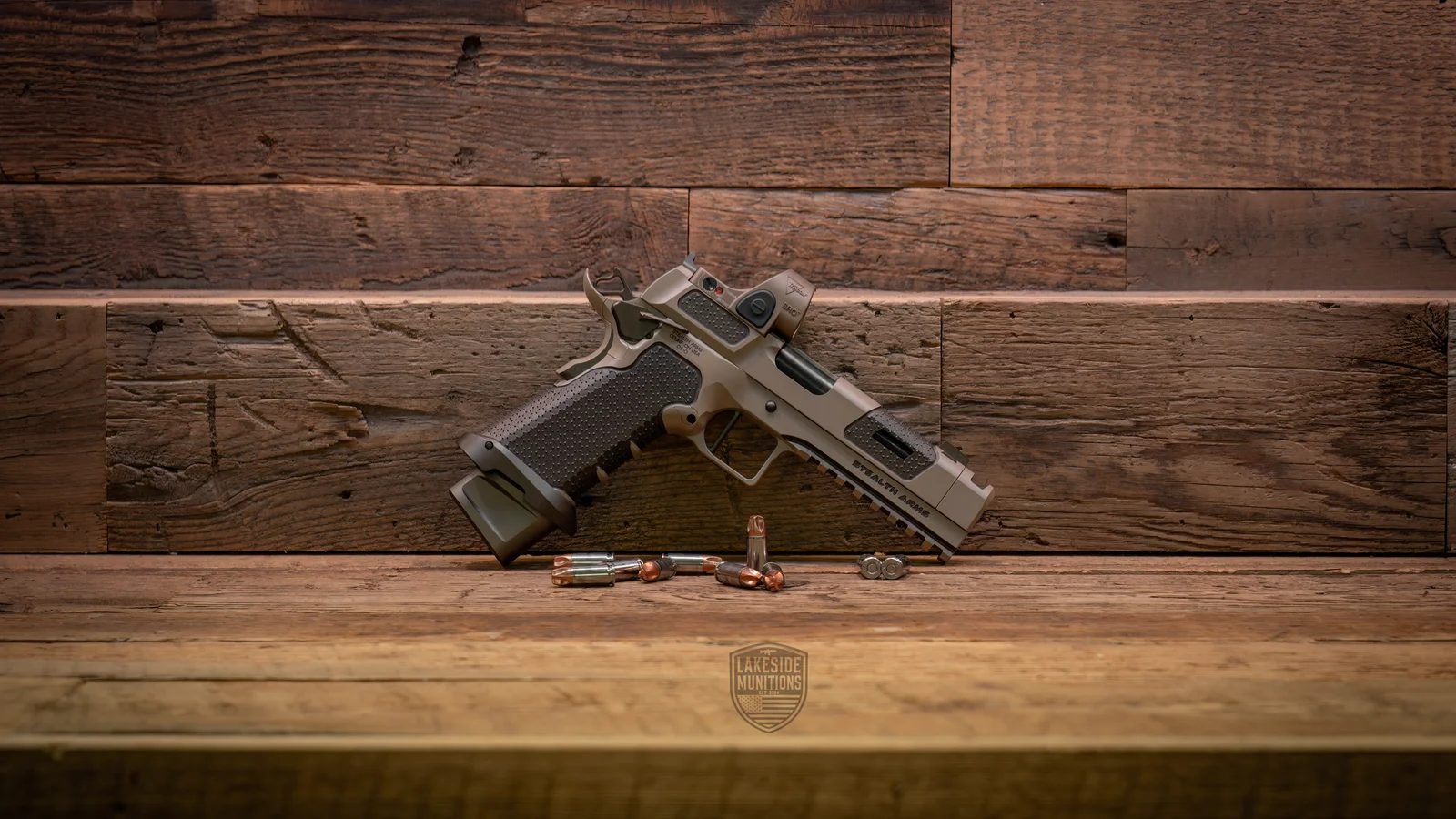
Shooting Gear
- Targets. Paper targets, or whatever your range allows. Many ranges have their own rules on what you can shoot at.
- Target stapler, staples and tape. Small items that matter when the lane has nothing to hang a target with.
- A marker or pen. Mark your shot groups and write notes on the target.
- Spare magazines. Bring what the gun uses, and mark them if you shoot more than one gun.
- A magazine loader. If you load a lot of rounds, a loader saves your thumbs.
- A shooting mat or a folded towel. Helpful if you will shoot from the ground or want a soft place for the gun between strings.
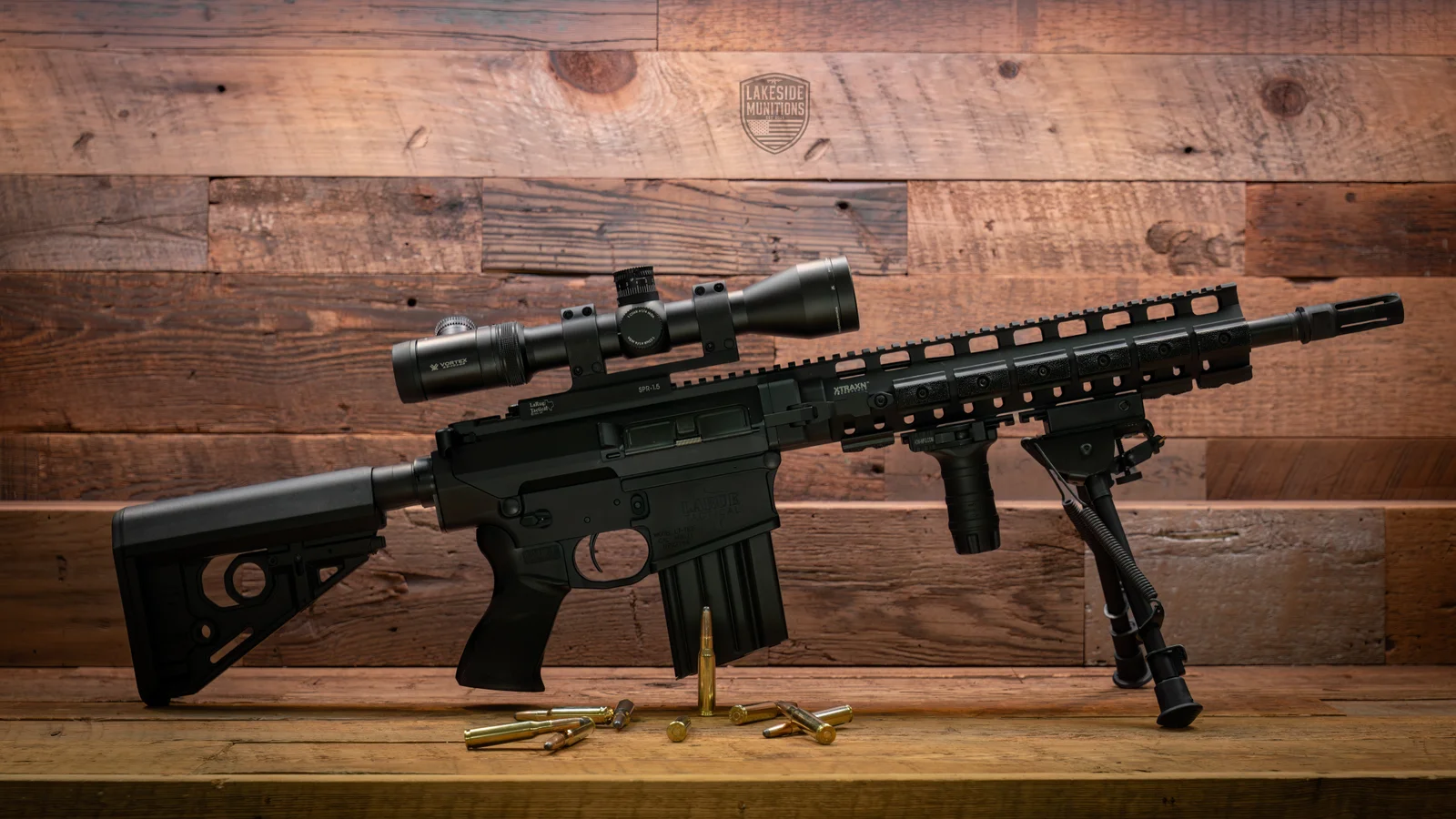
If you shoot a rifle, bring the rest it uses, such as a bipod or a rest. Our bore sighting post is a useful read before you take a newly mounted scope out.
Small Tools and Repairs
Keep a few small tools in the bag so a loose screw does not end your day.
- A basic screwdriver set or a multi-bit tool. Optics and sights can work loose.
- A cleaning rag and a small bottle of lubricant. A quick wipe at the range is easier than a mess in the car. For a full list of what goes into a home kit, see our post on gun cleaning kit essentials.
- A flashlight. Helpful for looking into a chamber or a dark corner of the lane.
- A notebook. Write down the load you shot, the distance, and what you changed on the gun. It helps more than people expect once you start tracking groups.
If a screw keeps coming loose, or an optic will not hold zero, that is a job for a gunsmith. Our gunsmithing page lists the posted prices, including bore sight at $15 and optic mounting at $45. If you buy the optic from us, we install it for free.
Comfort and First Aid
- A small first aid kit. Keep it simple: bandages, gauze, tape and gloves. Check your range’s rules on what to do if someone is hurt.
- Water and a snack. A long day outdoors is tiring, and tired shooters make mistakes.
- Sunscreen and a hat for an outdoor range. Indoor ranges are different, so pack for the range you will use.
- A towel or wipes. Handling ammunition and cleaning tools leaves your hands dirty. Wash your hands after you shoot.
What to Leave Out
Leave anything you do not need. A heavy bag is a bag you will not carry. Leave loaded magazines in the case if your range requires it. Leave anything your range bans, such as certain ammunition types or targets. The range’s rules come first, and range staff can tell you the rest.
Pack It the Night Before
Keep the bag stocked between trips. After each visit, refill what you used: staples, targets, ear plugs. The next trip then takes five minutes to pack. A checklist stuck inside the bag works well.
A Checklist by Gun Type
For a pistol: eye and ear protection, the gun in its case, ammunition in the right caliber, spare magazines, targets, a stapler and a marker.
For a rifle: everything above, plus a rest or bipod, a way to carry the rifle safely, and a scope you have already checked. If you have just mounted an optic, our bore sighting post shows how to get it close before you shoot.
For a shotgun: eye and ear protection, shells of the right gauge and length, and targets that suit your range. Ask your range what it allows. Our post on home defense shotgun basics covers gauge and shell choices.
Keep It Organized
A bag with pockets saves time. Put ear and eye protection in the outside pocket so you reach them first. Keep ammunition in its box, with the caliber showing, and keep it apart from small tools so nothing rattles loose. Zip small items into one pouch so they do not scatter at the bottom. A bag you can find things in makes range time calmer, and calm is safer.
Before You Leave the House
The NRA’s basic rules cover more than gear (NRA). Before any range trip:
- Learn how your gun works before you handle it.
- Make sure it works properly, and have a gunsmith check it if you are unsure.
- Do not drink alcohol or use drugs, prescription or over-the-counter, before or during shooting.
- Identify your target and check what is beyond it before you fire.
Read your range’s rules, check its hours, and call if you are not sure what it allows.
What to Do Next at Lakeside
If you are not sure your gun and ammunition match, or you need a scope checked before range day, come by the shop in Cumming. The gunsmithing page lists every job we do and its price, and the contact page has our hours and a form for questions.


