

A Nielsen device is a small booster, also called a piston, that helps a pistol cycle when a suppressor is on the barrel. Pistols with a barrel that tilts when they fire usually need one. Guns with a fixed barrel do not, and makers sell a fixed mount or spacer for them in place of the booster.
This post covers what the device does, which guns need it, and the one mistake to avoid. It is general information. Follow the instructions that come with your suppressor, because the maker knows which booster fits.
What a booster does
A suppressor adds weight to the front of the barrel. On a pistol where the barrel moves as it fires, that extra weight can make the slide stop short.
The HUXWRX manual for its FLOW 9k Ti says the booster assembly with its spring “is necessary to function on weapon systems where the barrel reciprocates to cycle.” Dead Air’s Odessa-9 manual describes its design as a booster-based system, also called a Nielsen inertia decoupler, where a threaded piston connects the suppressor to the barrel.
On some suppressors the booster is built in. Boosters can also be bought as separate parts. Silencer Shop lists a YHM Nielsen booster assembly that is “designed for tilting-barrel handguns that require a spring-loaded Nielsen device.”
Which pistols need one
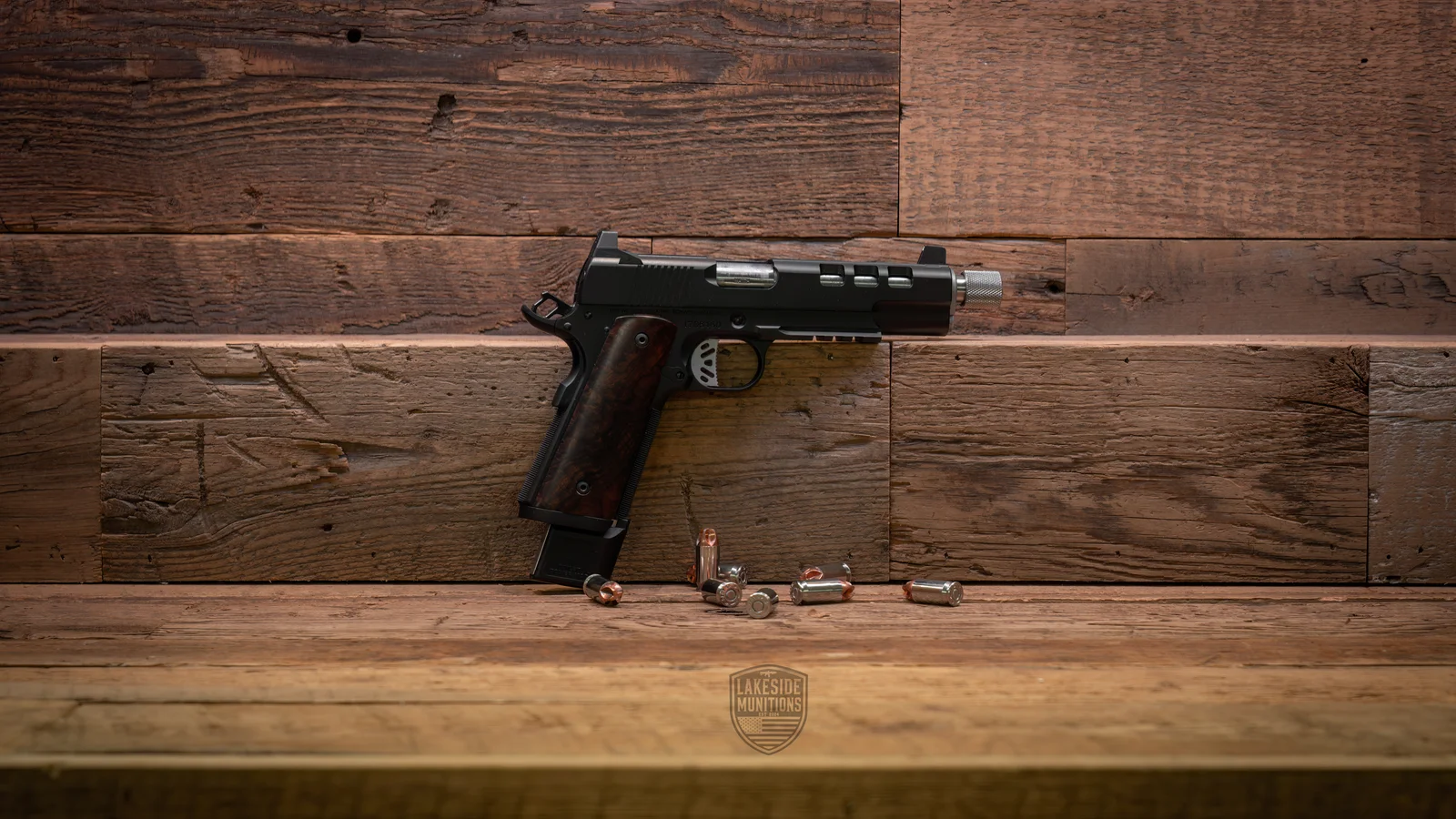
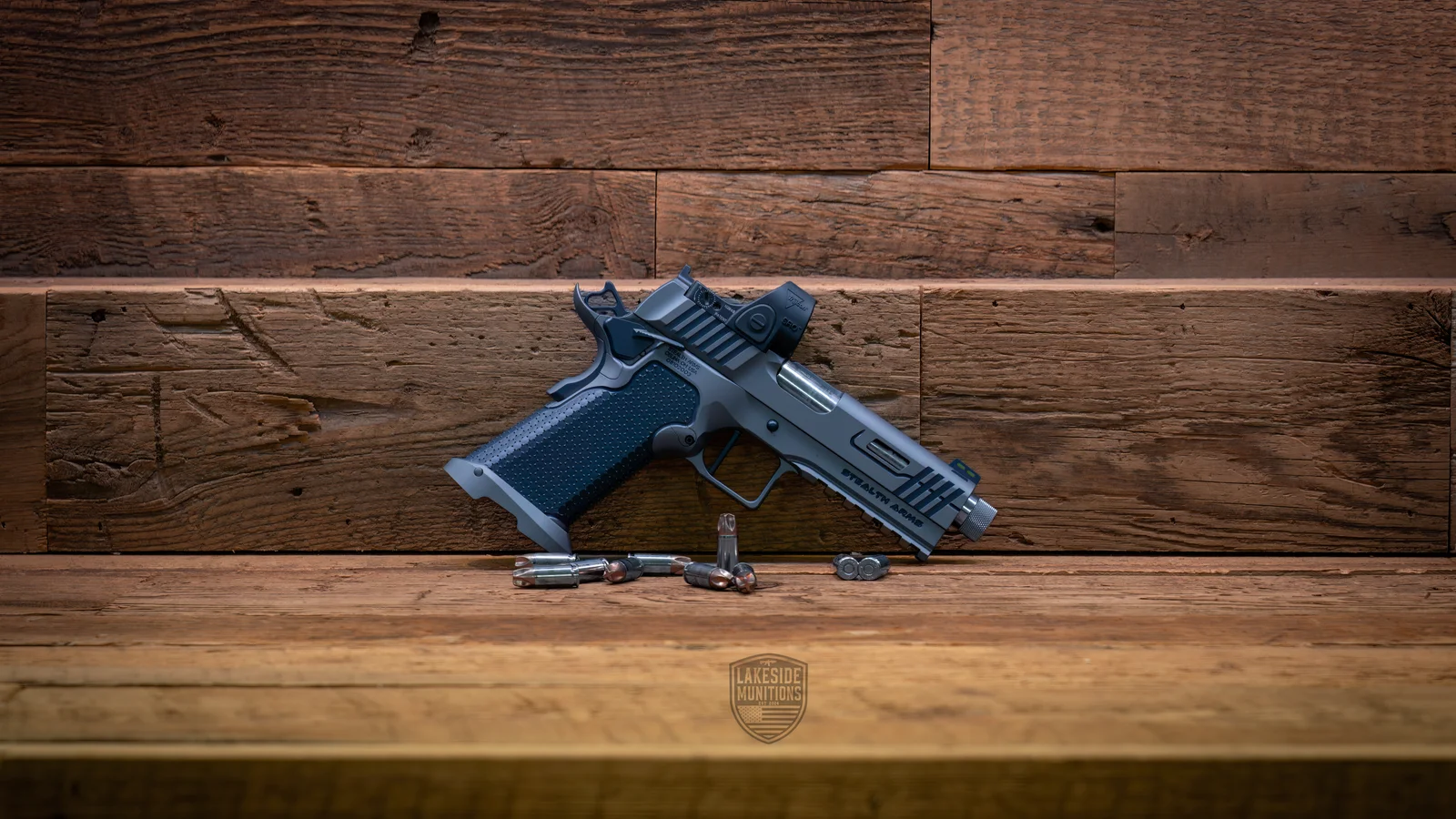
The split comes down to one question: does the barrel move when the gun fires? A tilting or moving barrel is the kind of gun a booster is made for. The HUXWRX manual says its fixed barrel spacer “is only to be used on weapon systems where the barrel is fixed and does not reciprocate to cycle.”
On a moving-barrel pistol, the suppressor’s weight rides on the part that has to move. That is what can slow the action down. On a fixed-barrel gun, the weight sits on a part that stays put.
The manuals also point to the piston. HUXWRX says its suppressor comes with a 1/2x28 piston and that other thread pitches can be bought separately. That is the maker’s way of fitting one suppressor to several barrels. Dead Air says pistons from some other makers should fit the Odessa-9, but that perfect fitment cannot always be guaranteed, and it names Rugged and SilencerCo pistons as compatible and Griffin pistons as not recommended. Use what the maker lists for your gun.
If you are not sure which kind your pistol is, look up how it works or ask us at the counter. The wrong setup is a likely reason a suppressed pistol will not cycle.
What happens without one
Without the booster on a gun that needs it, a heavier muzzle can keep the action from working the way it should. This is why a suppressor shipped for pistols usually comes with the parts. Use the piston your suppressor maker recommends, and check that it fits both the suppressor and your barrel.
The mistake to avoid: a booster on a rifle
Here is the part that matters for safety. On a fixed-barrel gun, the maker’s answer is to swap the booster out. The HUXWRX manual says to replace the spring with the fixed barrel spacer for fixed-barrel guns, and to use a direct thread adapter instead where the barrel is fixed. Dead Air’s Mojave 9 manual says the booster mechanism can be removed and replaced with a fixed mount or 3-lug adapter “for use on fixed barrels.” The YHM page says the same: for fixed-barrel hosts, “use a fixed mount instead of a booster.”
So the rule is simple. A booster belongs on a tilting-barrel pistol. Swap it for the fixed mount or spacer as the maker instructs when the can goes on a rifle or carbine. Our post on multi caliber suppressors covers the other half of that question: what cartridges a can is rated for.
Before you shoot: a short checklist
Pulling the points above together, check these things before the first shot with a suppressor on a pistol:
- The piston is the one your suppressor maker recommends for your pistol.
- It fits both the suppressor and your barrel, including the thread pitch.
- Your pistol’s barrel is either the moving kind, where a booster belongs, or the fixed kind, where it does not.
- You have read the maker’s manual for the suppressor you are using, since it knows its own parts best.
None of that is hard. It just takes ten minutes with the manual before you go to the range. If any line on the list is a guess, stop and ask. A question at the counter costs nothing, and a wrong guess can cost you a part.
Boosters, fit and your barrel
A suppressor needs a threaded barrel, and the pistol’s thread pitch has to match the mount. Our gunsmithing page posts a $20 price for installing a muzzle device, and installing something you bought from us is free. If you are not sure what thread your pistol has or what fits it, ask us at the counter before you buy.
We cover pistol suppressors more broadly in our pistol suppressor guide.
It does not change the paperwork
The suppressor itself still goes through an ATF Form 4 in Georgia, as of November 2026. We walk through that on our suppressor page. At our counter, individual approvals are running 2 to 3 days right now, up to 21 days, and up to a month through a trust.
Bring your pistol’s questions
Before you come in, write down the make and model of your pistol, what it is chambered in, and whether it has a threaded barrel yet. With those three facts, a conversation at the counter goes fast. If you are thinking about a pistol suppressor, come by our Cumming shop and talk it through. We can help you work out what your pistol needs before you buy. Or send a question through our contact page, or read how it all works on our suppressor page.


