

In the IWB vs OWB choice, IWB means “inside the waistband”: the holster and gun sit inside your pants, under your belt line. OWB means “outside the waistband”: the holster rides on the outside of your belt. IWB hides more easily. OWB is usually more comfortable and easier to put the gun back into.
Neither one is safer by its own design. Both are safe when they hold the gun firmly, cover the trigger guard fully, and let you reholster with one hand. This post compares the two, explains what to check on any holster, and tells you what to bring to the counter.
IWB vs OWB: What the Terms Mean
An IWB holster tucks the gun inside your waistband with a clip or loops that hook over your belt. Most of the gun is hidden by your pants, and only the grip sits above the belt line. A shirt hung over it covers the rest.
An OWB holster hangs from your belt on the outside, with the gun resting against your hip. It takes up room on the belt, and you need a long enough shirt or jacket if you want it covered.
Those two sentences are the whole difference. Everything else follows from where the gun sits.
How They Compare
Shooting Illustrated’s holster comparison lays out the trade-offs this way.
| IWB | OWB | |
|---|---|---|
| Hiding the gun | Easy to hide, which is why it is the most popular way to conceal a handgun | Harder to hide, but a coat, sweater or hoodie can cover it |
| Comfort | Gun and holster press against your body | Sits away from your body, so pants fit normally |
| Drawing | You clear your cover garment first, which takes practice | Easier to reach once the garment is out of the way |
| Reholstering | Slower, because the mouth of the holster sits between your waistband and skin | Easier, because the mouth stays open and in view |
| Gun size | Can hide a larger gun with more capacity | Size matters less for comfort |
Two points stand out. IWB is harder to put a gun back into, and rushing that step is a risk. Shooting Illustrated says IWB reholstering must be slow and deliberate. OWB holsters are easier to reholster, and the same article suggests bumping your hip out slightly to guide the gun in.
An NRA Women article on choosing a safe holster makes a related point: more negligent discharges happen when reholstering a drawn gun, usually from careless technique. A holster does not replace good habits.
Three Things Every Holster Must Do
Shooting Illustrated and NRA Women both name the same three basics, no matter which style you pick.
- Cover the trigger guard completely. Nothing should be able to reach the trigger while the gun is in the holster. Shooting Illustrated’s guide to choosing a holster says a holster must completely cover the trigger guard. The common exception is a gun with a weapon-mounted light, which can leave a small gap and needs extra care.
- Hold the gun firmly. This is called retention. The same guide suggests jumping around while wearing the holster to see whether the gun stays put. If it stays, retention is probably adequate.
- Let you reholster safely. The mouth of the holster should stay open when the gun is out, so you do not have to fight it.
If a holster fails any of these three, do not buy it, whether it is IWB or OWB.
Kydex or Leather
Kydex is a rigid molded plastic. Leather is soft and needs a break-in period. According to the Shooting Illustrated guide, leather is comfortable, needs break-in and can absorb moisture, while Kydex resists moisture and needs no break-in but can be harder on a gun’s finish. The same author recommends avoiding hybrid holsters, because the leather backing can weaken retention and safety over time.
NRA Women cautions against soft holsters with no rigid mouth, such as many belly bands. It also stresses a clear, unobstructed path for the gun when you reholster, so whatever you pick, the mouth should stay open.
Fit the Gun, Not Just the Size
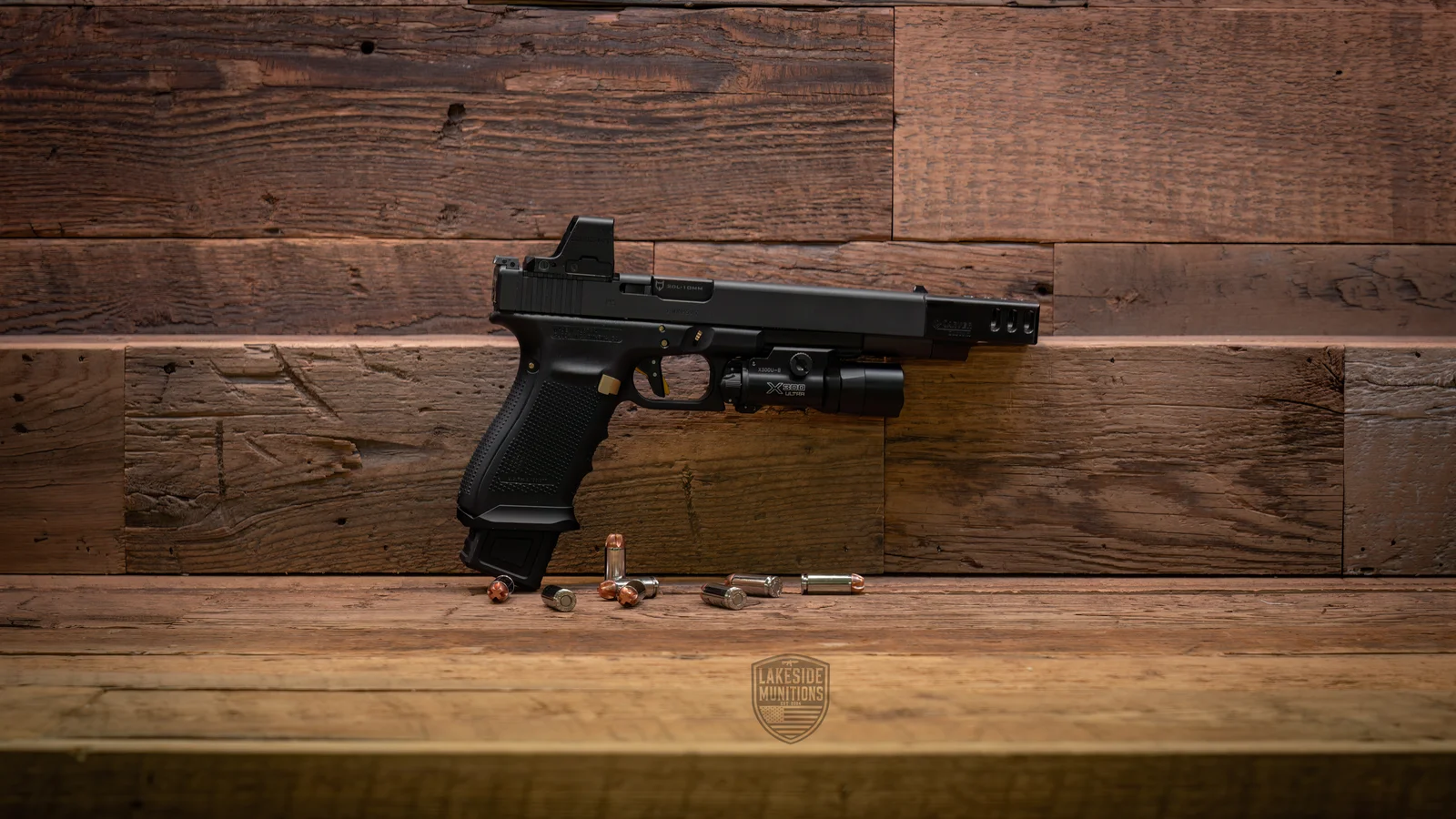
Shooting Illustrated says to choose a holster made for your exact make and model. Universal holsters often have problems with retention and trigger guard coverage. If your pistol has a red dot or a weapon light, tell the person helping you. The holster has to be made to fit what is on the gun, not just the pistol underneath.
Do Not Forget the Belt
A holster is only as secure as what holds it up. The Shooting Illustrated guide says the belt adds outside tension that helps hold the gun, and recommends secure attachment points such as closed loops, pull-the-dot loops or heavy-duty metal clips sized to your belt. It notes that plastic clips can break and need to be tested hard in training.
A flimsy belt makes any holster worse. If you plan to wear a holster daily, plan to buy a belt that is stiff enough to hold it in place.
Which Should You Pick
Pick IWB if hiding the gun matters most and you will practice reholstering slowly. Pick OWB if comfort and an easy reholster matter more, and you are fine with wearing a longer shirt or jacket over it.
Some people own both. Whatever you choose, try it with an unloaded, empty gun first, check the three basics above, and practice at home before you wear it anywhere.
Questions to Ask Before You Buy
Take this list with you when you shop.
- Is this holster made for my exact make and model, including any light or optic?
- Does it cover the trigger guard completely?
- Does the gun stay put when I move around, and does the mouth stay open when the holster is empty?
- Can I put the gun back with one hand, slowly, without the holster collapsing?
- What does it clip to, and will it fit the belt I plan to wear?
Practice with an unloaded, empty gun before you load it for real. Shooting Illustrated and NRA Women both stress that reholstering is where many mistakes happen, so slow practice at home is time well spent.
A Quick Way to Decide
If you want the gun hidden and you are willing to practice slow reholstering, try IWB. If you want comfort and simple reholstering, try OWB. If you cannot decide, pick the one you will wear every day, because a holster in a drawer does nothing.
What to Do Next at Lakeside
Lakeside makes custom holsters in the store. Come by the shop in Cumming and ask the counter about it. Tell us the make and model of your pistol and whether it has a light or optic. If you want something specific that is not on the wall, ask about a special order. If you are still choosing the gun itself, see our post on buying your first gun in Georgia. The contact page has our hours and a form for questions.

