

One Form 4 covers one suppressor. If you want two suppressors, that is two applications, and three suppressors is three. The federal rule has each Form 4 describe the firearm by its maker, model and serial number, and ATF approves each application on its own. That is true whether you file as an individual or through a trust, and it did not change when the federal tax dropped to $0 on January 1, 2026.
This post explains what that means in practice when you are thinking about buying more than one, and what you can and cannot reuse from the first. It is general information, as of November 2026, not legal advice.
Why it is one suppressor per form
The Form 4 is the federal application that moves a suppressor from a dealer to you. Under 27 CFR 479.84, no firearm covered by the National Firearms Act can be transferred until a Form 4 is filed and approved. The form has to describe the firearm by its maker, caliber, model and serial number. A serial number belongs to one suppressor, so the form is built around one item.
The form names one firearm and one serial number, so two suppressors means two forms and two approvals.
When ATF approves a Form 4, it affixes an NFA stamp to the application and returns it (27 CFR 479.86). That is where the phrase “tax stamp” comes from. Each approved form is its own stamp. So the plain answer to “how many suppressors per tax stamp” is one.
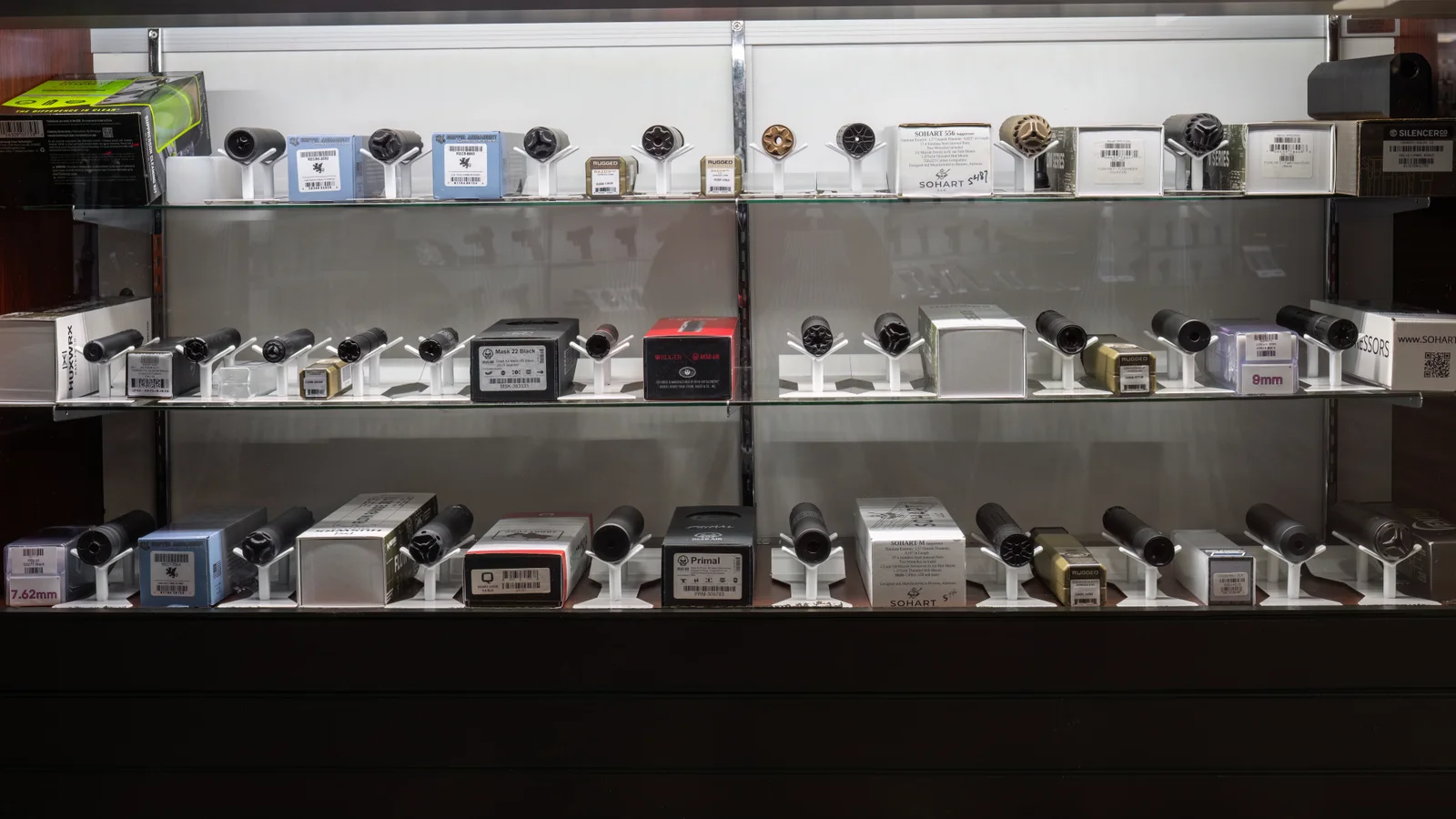
The tax is gone, but the form is not
For years, a second suppressor meant a second $200. Under the law that took effect January 1, 2026, the transfer tax on a suppressor is $0, per 26 U.S.C. 5811 and the same $0 line in 27 CFR 479.84. Only machine guns and destructive devices still carry the $200.
So buying a second suppressor does not add a federal tax. It does add a second application, and a second approval to wait for. Our post on whether a suppressor is worth it covers the cost side.
In Georgia, the approval step still applies. ATF said it would stop enforcing federal NFA approval and registration on October 9, 2026, but its guidance says it does not supersede state law. Georgia law only allows a silencer registered under the National Firearms Act (O.C.G.A. 16-11-122 and 16-11-124). So every suppressor we transfer still goes through its own Form 4.
What repeats on every application
Each application is its own review, so the same things come up again.
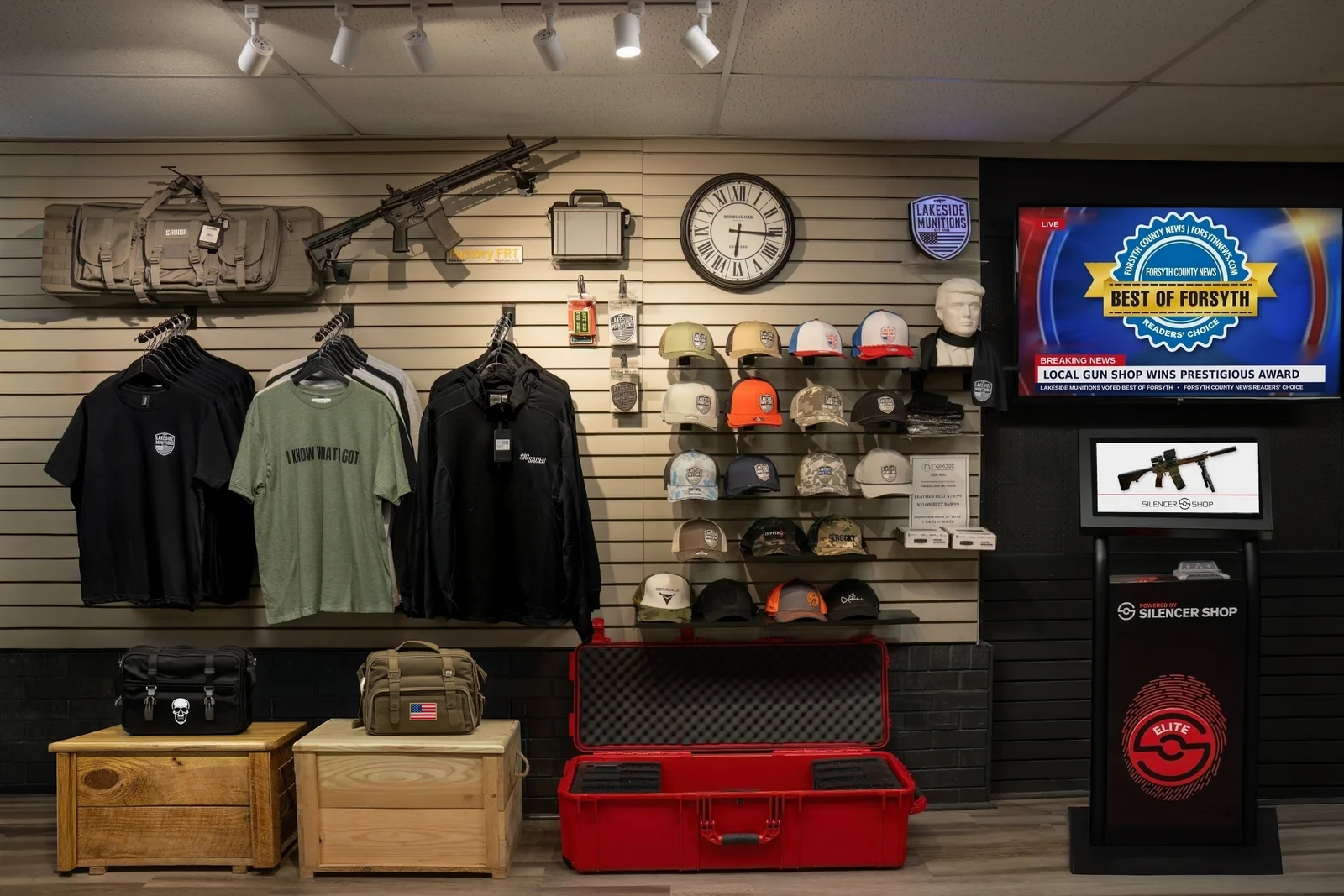
For an individual, the regulation asks for a 2 by 2 inch photo and two FBI fingerprint cards with the application, and you notify the chief law enforcement officer where you live. At our shop we do the forms and fingerprints with you at the Silencer Shop kiosk, so a second suppressor is a second round of that, not a new kind of trip.
For a trust, each application needs the trust’s documents and each responsible person’s questionnaire, photo and fingerprints.
Our guide to individual versus trust filing walks through that choice.
What a trust can save you on the next one
There is one place where the rule helps a repeat filer. For a trust, 27 CFR 479.85 says that if the entity had an application approved in the preceding 24 months, it can certify that its documents have not changed instead of sending them again. The certification names the earlier application by form number, serial number and approval date.
That is a real convenience if you plan to buy more than one. It does not remove the second application, and it does not remove the responsible person forms for a new filing. It only lets you skip re-sending an unchanged set of trust documents. If your trust document changes, send the new one.
How the waiting works with more than one
ATF reviews each application. Its processing times page showed an average of 9 days for an individual eForm 4 and 33 days for a trust eForm 4, for applications finalized in July 2026 (checked September 2026). At our counter, filing as an individual is running 2 to 3 days right now and can take up to 21 days, and a trust can take up to a month.
Those ranges are for one application. We cannot promise that two applications filed together come back together, because each one is reviewed on its own. If you plan to buy more than one, ask us at the counter what to expect, and we will tell you where you stand before you pay. Our guide to Form 4 wait times explains what moves the numbers.
Costs when you buy more than one
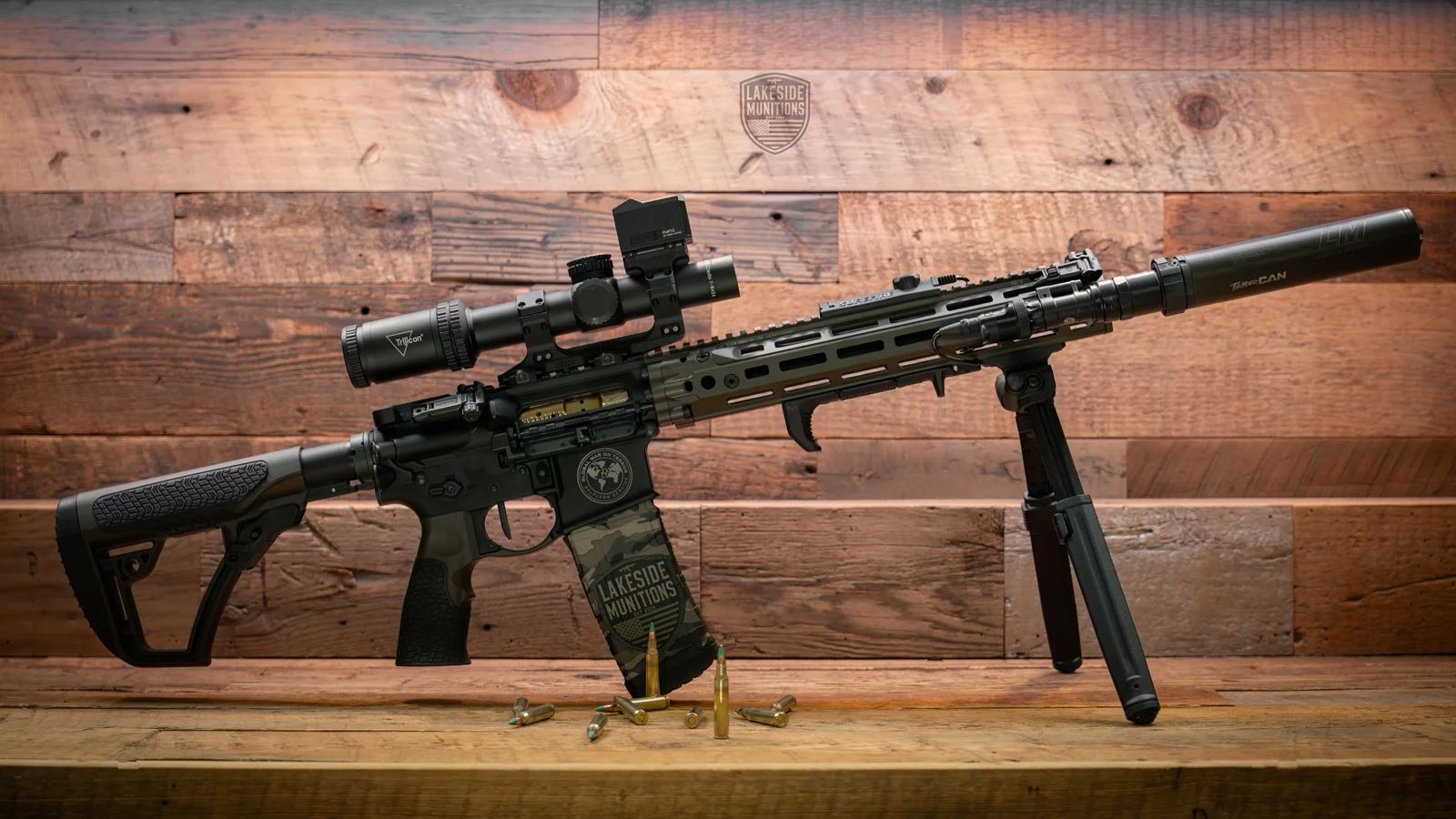
The federal tax is $0 on each. Our own fee depends on where you bought the suppressor. Buy it from Lakeside Munitions and there is no transfer fee. The $100 transfer fee only applies to a suppressor or NFA item bought somewhere else and shipped to us. A suppressor bought directly from Silencer Shop has no transfer fee either.
If you are mixing sources, for example one from our case and one you ordered elsewhere, tell us which is which at the counter so we can tell you what applies to each. We do not want you to find out at checkout.
Two mix-ups we hear
“The tax stamp is gone, so the form is gone too.” The tax is gone for suppressors. The form is not. In Georgia, the Form 4 approval still applies, as covered above.
“One approval covers my whole collection.” It does not. ATF’s form is built around one firearm and one serial number, so each suppressor needs its own approval.
A short plan if you want two or more
- Decide how you will file. The shorter wait is the individual path. A trust asks for more paperwork, but it has the 24 month shortcut for unchanged documents.
- Pick the suppressors first. Each form names a specific serial number, so the paperwork starts after you have chosen.
- Plan around the longer wait. Count from the top of the range, not the bottom.
- Wait for our call. We call you when each approval clears. You cannot take a suppressor home the same day you start the paperwork.
What to do next
Come by and handle the suppressors, or read the suppressor page for the full process, our approval ranges and the fees. If you already know you want more than one, tell us up front and we will tell you where you stand on the wait before you pay. You can also reach us through the contact page.


