

Clean and dry a gun the same day it gets wet. Do not wait for the weekend. Colt’s manual says to clean a gun as soon as possible if it gets wet, and Mossberg’s says the same about any gun exposed to moisture.
That is the whole rule. The rest of this post is the how: what to do in the first hour, which parts hold water longest, and the one case where a home cleaning is not enough. If you want the long-term plan, see our posts on how often to clean a gun and storing guns in Georgia humidity. This one is about the wet day itself.
What to Do the Same Day a Gun Gets Wet
A rainy hunt or a range trip that turned into a downpour does the same thing to a gun: water gets into places you cannot see. Here is the order that the makers and industry groups point to.
- Make it safe first. Unload it and check the chamber before you do anything else. The NRA’s gun safety rules say to keep a gun unloaded until you are ready to use it. Mossberg’s manual says to check the chamber and magazine before cleaning.
- Check the barrel before you fire again. Smith & Wesson’s manual warns that mud, water or snow can lodge in the bore, and that even a small obstruction can raise pressure and hurt you or damage the gun. Colt’s manual shows how to clear water from a carbine barrel, then says to clean and lubricate the gun as soon as possible after any exposure to water.
- Dry the outside. Wipe the metal, the stock and any optic with clean, dry cloths. SAAMI, the group that speaks for U.S. gun and ammo makers, lists drying with clean towels or rags as a first step for water-exposed guns.
- Clean it the way the manual says, then add a light coat of oil. Smith & Wesson says a gun exposed to humidity, water or other bad conditions must be cleaned and lubricated, and that you should lightly coat the metal parts with a good gun oil afterward. Mossberg says very little oil is needed, just a light oiling of inside and outside surfaces to prevent rust.
- Do not put it away damp. Let it dry fully before it goes into a case or the safe. More on that below.
For the cleaning steps themselves, we have a plain walk-through of how to clean a pistol from a maker’s manual. For oil, see gun oil vs CLP.
Where Water Hides After Rain
Wiping the barrel and slide is not enough. Water collects in a few spots that are easy to miss.
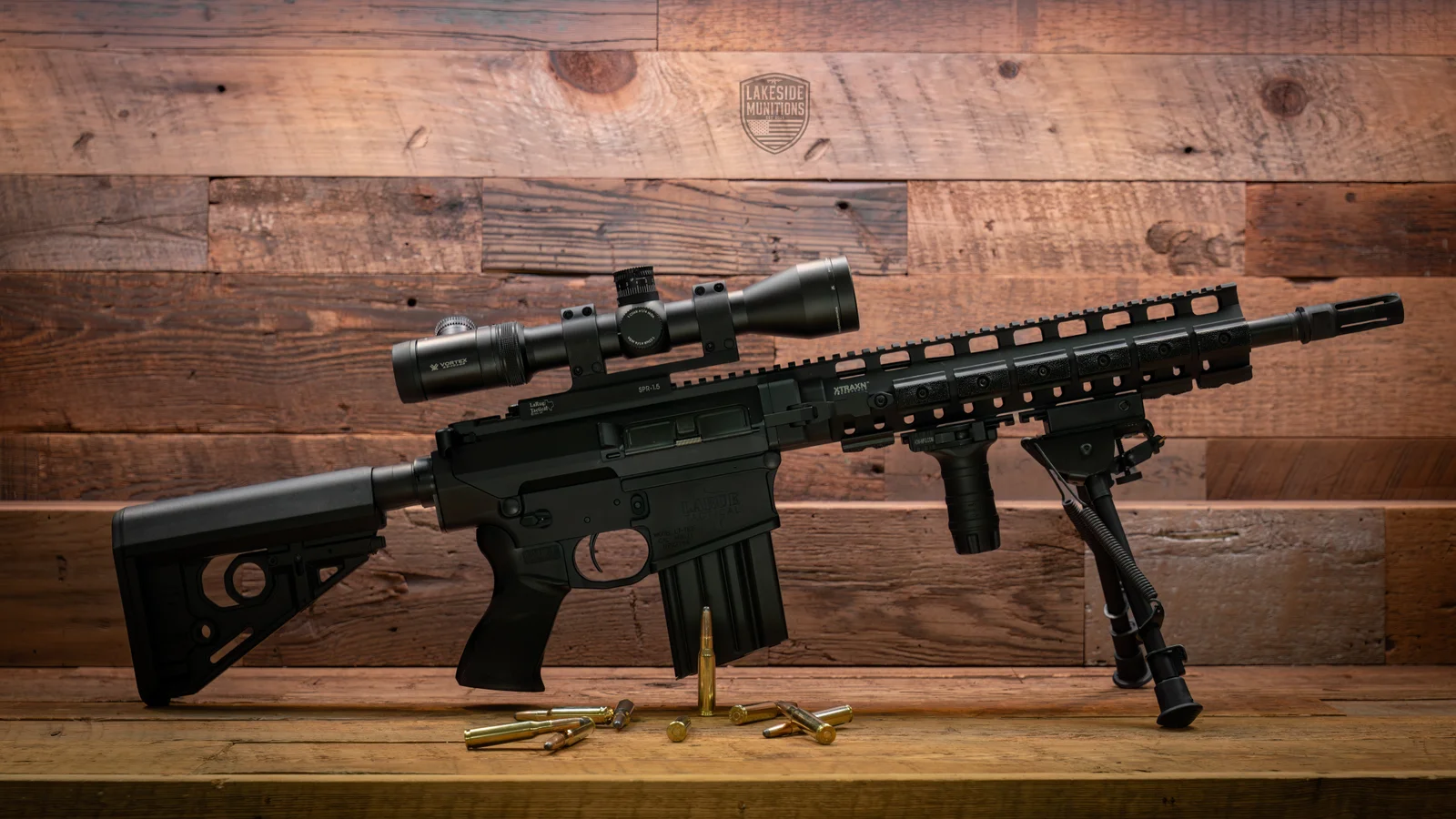
Under the stock or grips. SAAMI says stocks and grips, wood or synthetic, can trap and hold moisture against metal parts that can rust. It says wood stocks and grips in particular hold moisture against metal for a long time. Where your manual allows, take them off to dry the metal underneath. If you are not sure how, SAAMI says to ask someone who knows or a qualified gunsmith.
In the bore and chamber. These are the parts you clean anyway, but after rain they matter more. Water sitting in a bore is both a rust risk and, as the manuals above warn, an obstruction risk if you fire.
In and around the optic. SAAMI says to take care drying optics, because grit on a lens can scratch it. A scope that took on water inside is a different problem: SAAMI says the maker should check that the seal is intact.
On the surface, from your own hands. Smith & Wesson’s manual says to wipe off cleaning solution, oil and fingerprints, because finger moisture left on the metal can start corrosion. After a wet day, your hands are wet too.
Inside the case. Smith & Wesson says not to store a gun in anything that attracts or holds moisture, and names leather and heavy cloth. Mossberg warns against fabric-lined cases that soak up the oil on the gun and can lead to corrosion of unprotected metal. So a damp gun in a damp case is the worst pair. Dry the gun, dry the case, and give both some air.
A Wet Gun and Wood: Go Slow
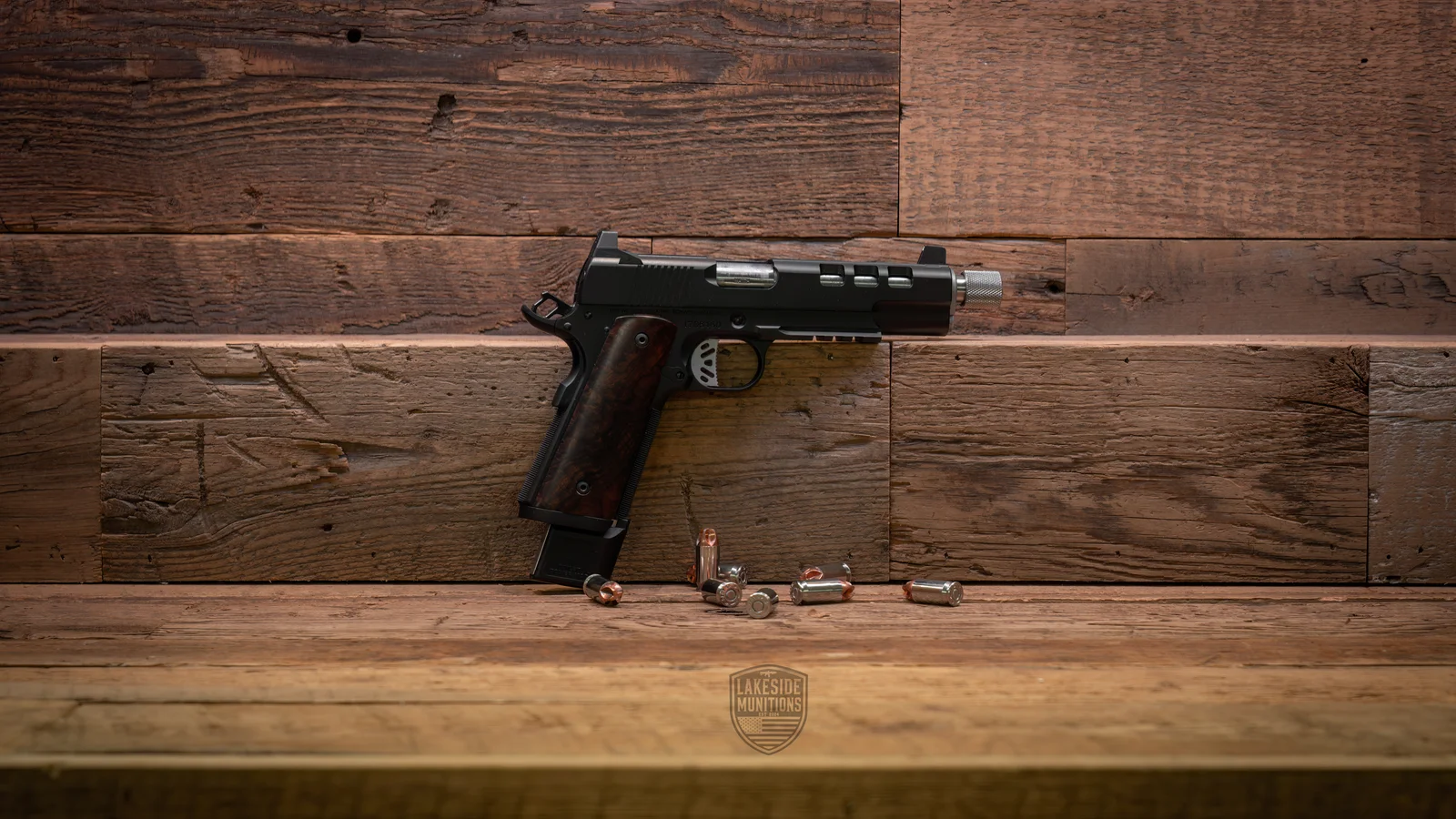
Wood is the one material where hurrying hurts. SAAMI says to let wood stocks and grips air-dry and not to force-dry them with heat. Heat can crack, warp or check the wood. So no hair dryer, no heater vent, no hot car dashboard. A dry towel and time are the right tools.
Also be careful with chemicals. SAAMI warns that some lubricants and cleaners can damage plastic or synthetic parts, anodized aluminum, wood finishes and painted surfaces. Read the label, and use what your gun’s maker recommends.
Hunting Rifles and Range Guns: What Changes
A hunting rifle may not fire many rounds, but it can spend hours in rain, mud and morning moisture. Otis Technology says to clean your firearms right away once water gets to them, and warns about the moisture of early-morning hunts. A rifle that got wet needs the same-day dry and clean even if it never fired.
For range guns, the round-count rule you may already follow still applies, and weather adds to it. Mossberg says to clean thoroughly after every 200 rounds, and that unusually dusty, dirty or harsh weather may call for cleaning more often. Rain at the range counts as harsh weather.
One more point from Colt’s manual: it says a gun used in salt air, water, mud or sand must be completely disassembled, cleaned and inspected. That is a tougher standard than a wipe-down. If your gun was in more than a passing shower, a full take-down is the right call, whether you do it or we do.
When a Home Cleaning Is Not Enough
Rain on a gun is one thing. A gun that was under water, or soaked in flood water, is another. SAAMI’s guidance on firearms submerged or exposed to extensive amounts of water says not to use the gun until the maker or a qualified gunsmith has inspected it and found it safe. SAAMI gives these reasons:
- Water can leave silt and other debris in the action and safety parts, which can stop them from working or leave an obstruction in the barrel.
- Water can swell wood stocks and grips, which can in some cases stop the action or safety from working.
- Some moisture-displacing sprays can gel or thicken. If one was used on the gun, SAAMI says the residue should be removed by a professional before the gun goes back into service.
- Without a full inspection, SAAMI says you cannot know how much the water hurt each part.
The simple read: for a light rain, dry it, clean it and oil it. For a dunk in a creek or a flood, dry it to stop the damage, then have it looked at before you shoot it.
When to Bring It to Lakeside
Bring it in if you would rather not take it apart yourself, if rust has already started, or if you are not sure how wet is too wet. Our gunsmithing price list shows a cleaning at $35, or $25 if you bought the gun from us. Surface rust cleanup is part of a cleaning, to the best of our ability, and we cannot promise a result on rust that has eaten into the metal. Our post on rusty guns shows how to tell light surface rust from pitting.
Two things to know before you come. Posted prices are for a gun in factory condition, so if it has other changes we look at it first and the cost may vary. And our bench does light work, so if a gun was under water, call first and ask whether it is a job for our bench.
Gunsmithing is walk-in, no appointment, at 211 Atlanta Rd in Cumming. We are open Tuesday through Friday 10 to 6 and Saturday 10 to 5.
If your gun got wet this week, do not let it sit. Dry it, oil it lightly, and either clean it tonight or contact us and bring it by.


