

.22 LR and .22 Magnum are two different cartridges, and they are not interchangeable. The .22 Magnum (written .22 WMR, short for Winchester Magnum Rimfire) is the faster one. In CCI’s factory loads, a 40 grain .22 Magnum bullet leaves the muzzle at 1,875 feet per second. A 40 grain .22 LR bullet from CCI’s Standard Velocity load leaves at 1,070. Your gun is built for one or the other, and the marking on the barrel tells you which.
This post explains the real differences, the one safety rule that matters most, and how to decide which one you need. It is general information, not a recommendation for a specific gun.
.22 LR vs .22 Magnum: The Short Answer
Both are rimfire cartridges. Rimfire means the primer is inside the rim of the case, so the firing pin strikes the edge of the base instead of the center. Both fire a .22 caliber bullet. That is where most of the likeness ends.
.22 LR stands for .22 Long Rifle. It is one of the most common rimfire cartridges, and it is the one most people mean when they say “.22.” .22 WMR is a separate cartridge with its own standards. It is often called “.22 Mag” or “.22 Magnum” in conversation.
The simple way to think about it:
- .22 LR is the common, general-purpose rimfire round.
- .22 WMR is the faster rimfire round, built for a gun that is chambered for it.
- A gun marked for one is not a gun for the other.
If you only remember one thing from this post, remember the last line.
How Much Faster Is .22 Magnum?
Here are two real factory loads from the same maker, CCI, so the bullet weight matches and the comparison is fair.
| Load | Bullet | Muzzle velocity |
|---|---|---|
| CCI Standard Velocity .22 LR | 40 grain lead round nose | 1,070 feet per second |
| CCI Maxi-Mag .22 WMR | 40 grain jacketed hollow point | 1,875 feet per second |
Sources: CCI Standard Velocity and CCI Maxi-Mag, both read November 2026.
Same bullet weight, but the Magnum load is about 75 percent faster. That gap is why the two cartridges are treated as different tools. A grain is a small unit of weight used for bullets and powder. If you want a plain explanation of the number on the box, see our post on what grain means in ammo.
Two cautions on the table. First, these are advertised factory numbers for two specific loads. Other .22 LR loads run faster or slower, and other .22 Magnum loads use lighter or heavier bullets, so the box in your hand is always the best source. Second, velocity is only one part of the picture. Bullet shape and weight change how a load behaves too.
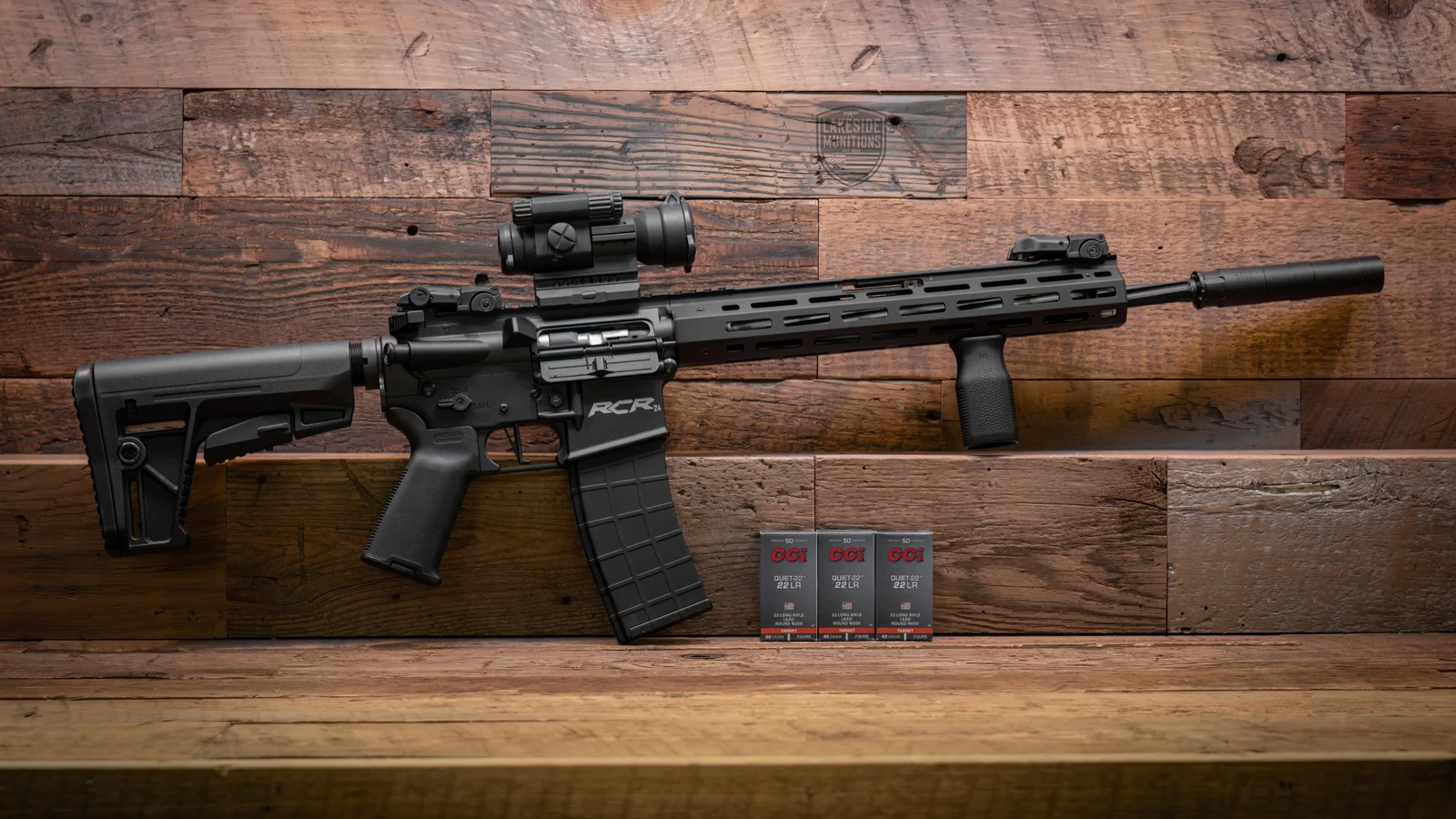
They Do Not Swap: The Safety Rule
This is the part that deserves your full attention. A round that fits is not automatically a round that is safe.
The Sporting Arms and Ammunition Manufacturers’ Institute, known as SAAMI, writes the industry standards for ammunition and chambers. Its interchangeability guide says that firearms should only be used with the ammunition designated by the firearm maker. It adds that just because a round can fit into a chamber, that does not mean it is safe to fire in that gun.
SAAMI also lists the only alternate cartridges that may generally be fired in a given chamber. For these two:
- A .22 LR chamber may generally fire .22 Short, .22 Long and .22 LR Shot.
- A .22 WMR chamber may generally fire .22 WRF and .22 Remington Special.
Notice what is missing. The .22 LR is not on the .22 WMR list, and the .22 WMR is not on the .22 LR list. SAAMI also tells owners to check with the firearm maker before using any alternate cartridge. You can read the full document here: SAAMI Generally Accepted Firearms and Ammunition Interchangeability.
The National Shooting Sports Foundation (NSSF) says the same thing in plainer words: be absolutely certain that the ammunition matches the specifications in the gun’s manual and the markings on the firearm. Its safety page, 10 Rules of Safe Gun Handling, lists this as rule 5. CCI adds a note of its own on the Maxi-Mag page: use only in firearms with standard ANSI barrel and chamber dimensions.
How to Read the Barrel and the Box
Most centerfire ammunition has the cartridge name stamped on the base of the case, which SAAMI calls the headstamp. Rimfire is different. SAAMI notes that rimfire often has no cartridge marking on the headstamp, so you check the original packaging for the right name. If you have any doubt about what a round is, do not use it until a qualified person has looked at it.
A simple routine keeps you safe:
- Read the marking on the barrel. It may say .22 LR, or it may say .22 WMR or .22 WIN MAG. SAAMI lists both of those as approved short names for the Magnum.
- If the marking is worn or you bought the gun used, check the owner’s manual or ask the maker.
- Read the box before you load. Keep ammunition in its original box so you can always confirm the name.
- Look at each round as you load it. NSSF’s advice is to form the habit of examining every cartridge you put into your gun.
A mix-up is easy to make when two boxes of different rimfire ammunition sit side by side on a bench. Keep one type at the bench at a time.
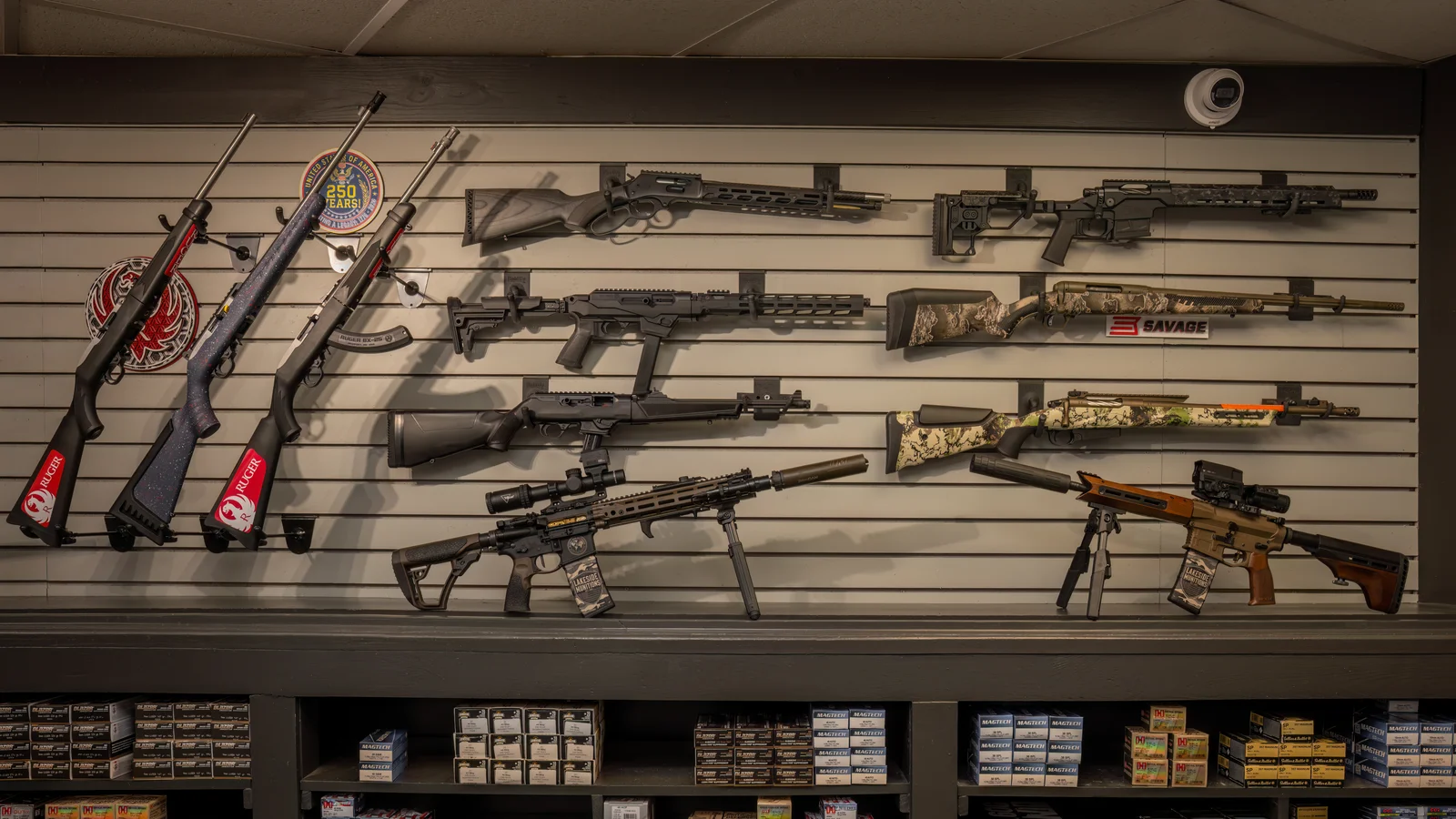
Which One Should You Choose?
Start with the gun you already own or the gun you plan to buy. The cartridge is decided by the chamber. If the barrel says .22 LR, you shop for .22 LR. If it says .22 WMR, you shop for .22 WMR. There is no choosing between them for a given gun.
If you are picking between two guns, here are honest questions to bring to the counter:
- What will you do with it? Informal target shooting, learning, and practice are common reasons people look at .22 LR. Talk through your plans so the person helping you can point you to the right chambering.
- Where will you shoot? Indoor and outdoor ranges set their own limits on ammunition. Call the range ahead of time and ask what it allows.
- Do you plan to use a suppressor? Our post on a first .22 suppressor covers that, and it is worth reading before you pick a cartridge.
- How much ammunition do you want on hand? Ask the counter what is on the shelf for the cartridge you need.
Whichever you pick, wear eye and ear protection every time. NSSF’s rule 7 says all shooters should wear protective shooting glasses and some form of hearing protection while shooting. A small cartridge still makes a loud noise right next to your ears.
Both of these cartridges are rimfire, a different design from centerfire, where the primer sits in the center of the case base. If you want to know how the two designs differ, our post on rimfire vs centerfire goes through it. For store basics, the Lakeside Munitions home page lists our hours and what we do.
Next Step at Lakeside
If you are not sure which .22 your gun takes, bring the gun in, or tell us the make and model. We can read the markings with you and show you the right box on the shelf. You can also send us a message before you come by, and we will point you the right way.

